


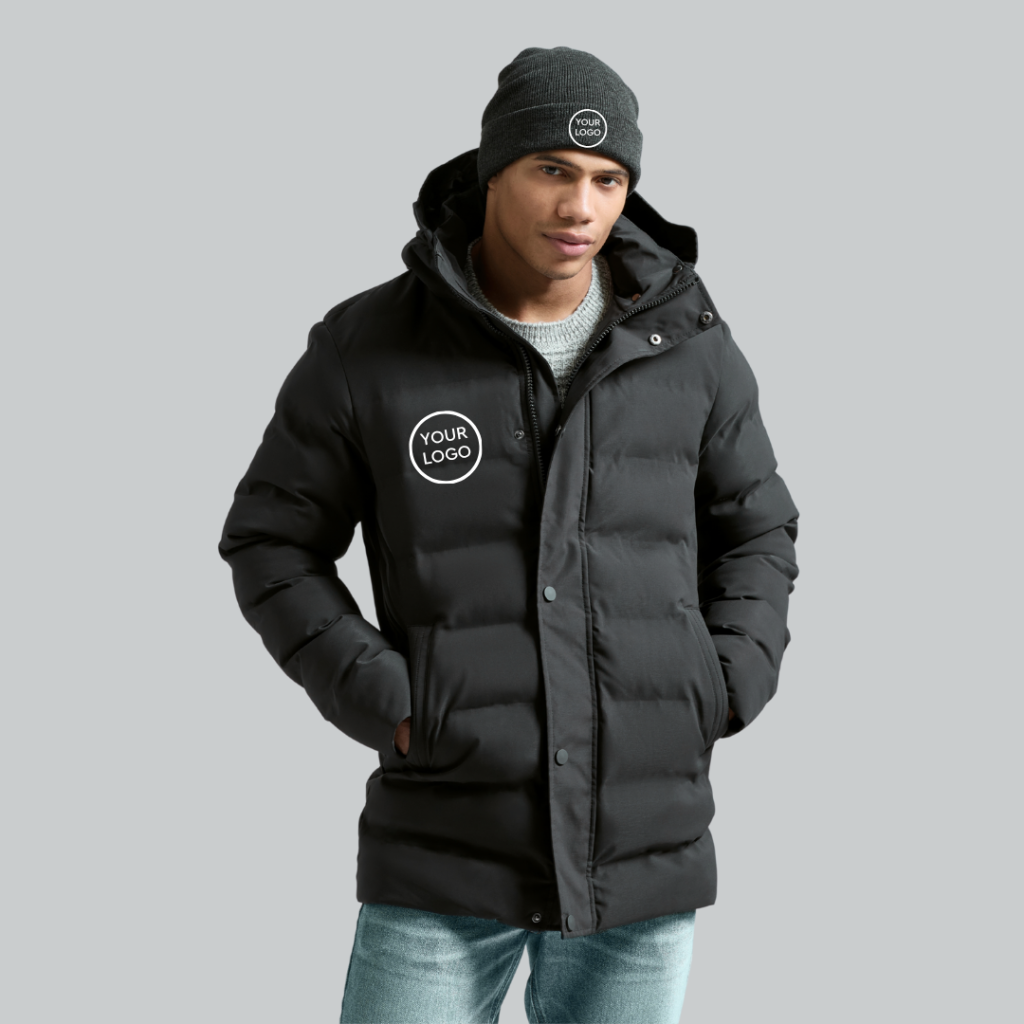
Preparing your team for winter isn’t just about buying a warm jacket.
As the weather gets colder, wetter and windier, preparing your team for the winter months is essential. You need to consider where employees work, what clothing they already have and which garments will help them stay comfortable throughout the colder months.
We have created this planning guide to make your winter workwear ordering process simple.
When Should You Start Planning Your Winter Workwear?
Ideally, businesses should start reviewing their winter workwear towards the end of summer or in early autumn, before colder conditions become a daily concern.
Planning ahead gives you time to assess existing garments, gather employee sizes and arrange any personalisation required. It also reduces the likelihood of having to place rushed orders when temperatures drop.
When deciding when to order winter workwear:
Review your existing stock early
Allow time for sizing
Account for personalisation
Plan for recruitment
Avoid last-minute decisions
Starting early doesn’t necessarily mean buying months in advance. It means understanding what your team needs, identifying potential gaps and giving yourself enough time to organise the order properly.
Start With a Winter Workwear Audit
Before purchasing new clothing, take stock of what your employees already have. A winter workwear audit helps you avoid unnecessary spending while identifying garments that are no longer suitable.
Begin by reviewing the workwear issued in previous winters. Ask employees or team managers which items are still in good condition, which are rarely used and which need replacing.
Your audit should cover:
Existing winter clothing: Which employees already have suitable jackets, fleeces, sweatshirts or other winter garments?
Condition of garments: Are items damaged, worn or no longer providing the intended level of protection?
Suitable outer layers: Do employees have appropriate outerwear for their working environment?
Current sizes: Have employee requirements changed since the last order?
Branding: Are logos, company colours and other uniform details still correct ?
Role-specific needs: Do different departments require different garments?
New employees: Are there team members who haven’t yet received suitable winter clothing?
Once you’ve completed the review, create a simple employee-by-employee requirements list. Record the garments each person needs, their preferred size or fit and whether any items require personalisation.
This gives you a clear picture of the order before you start shopping. You can also read about our customer workwear ordering portals, which help reduce the stress of ordering your workwear. Read our blog here to learn more about how an ordering portal can help you.
Think About Where Your Employees Work
Not every employee needs the same winter workwear. The right choices depend on the environment, the tasks being carried out and the conditions people are likely to encounter during a typical working day.
Employees working outdoors
Construction workers, landscapers, security personnel, agriculture workers, railway and highway workers and facilities teams may spend extended periods exposed to cold temperatures, wind and rain.
For these roles, consider a combination of base layers, warm mid-layers and suitable outerwear, such as: T-shirts, sweatshirts, waterproof trousers, beanies, gloves and waterproof, insulated jackets.
Comfort is important, as well as practicality.
Employees moving between indoors and outdoors
Automotive, electricians, mechanics and manufacturing teams may move between heated buildings and colder outdoor areas throughout the day.
A layering approach can be particularly useful here. Fleeces, sweatshirts, knitwear and gilets can provide additional warmth without always requiring a heavy outer jacket. A suitable outer layer can then be added when conditions demand it.
The aim is to give employees options that work across different parts of their working day.
Employees working mainly indoors
Indoor employees shouldn’t automatically be excluded from your winter workwear plan. Warehouses, workshops and office environments can become cold during the winter months when doors are frequently opened and heating is limited.
With these environments, warm mid-layers may be more practical than bulky outerwear. Consider a combination of layers, including: polo shirts, fleeces or sweatshirts with an optional softshell jacket or bodywarmer.
The important thing to assess is the actual working conditions rather than issuing the same winter clothing to everyone.
Build a Winter Workwear Wardrobe
Once you understand your team's requirements, you can build a selection of garments that work together.
For example:
Warm mid-layers: Sweatshirts and hoodies can provide everyday warmth for employees working in cooler indoor environments.
Fleeces: Fleece jackets are useful as insulating layers and can be worn underneath suitable outerwear when temperatures fall.
Gilets and bodywarmers: These offer additional warmth around the torso while leaving the arms less restricted, which can be useful for active roles.
Jackets: Insulated jackets can be suitable for colder conditions when warmth is a priority.
Waterproof outerwear: Rain jackets and waterproof jackets help address wet conditions when selected for the expected exposure and level of protection required.
Hi-vis workwear: Hi-vis jackets and trousers provide visibility and warmth to outdoor workers, while meeting the correct standards for specific working environments.
Winter accessories: Hats, gloves and other suitable accessories can provide additional comfort where permitted for the job’s safety requirements.
You don’t necessarily need every type of garment. Use your audit and workplace assessments to determine which options are most relevant to your team.
Consider Rain, Wind and Changing Weather
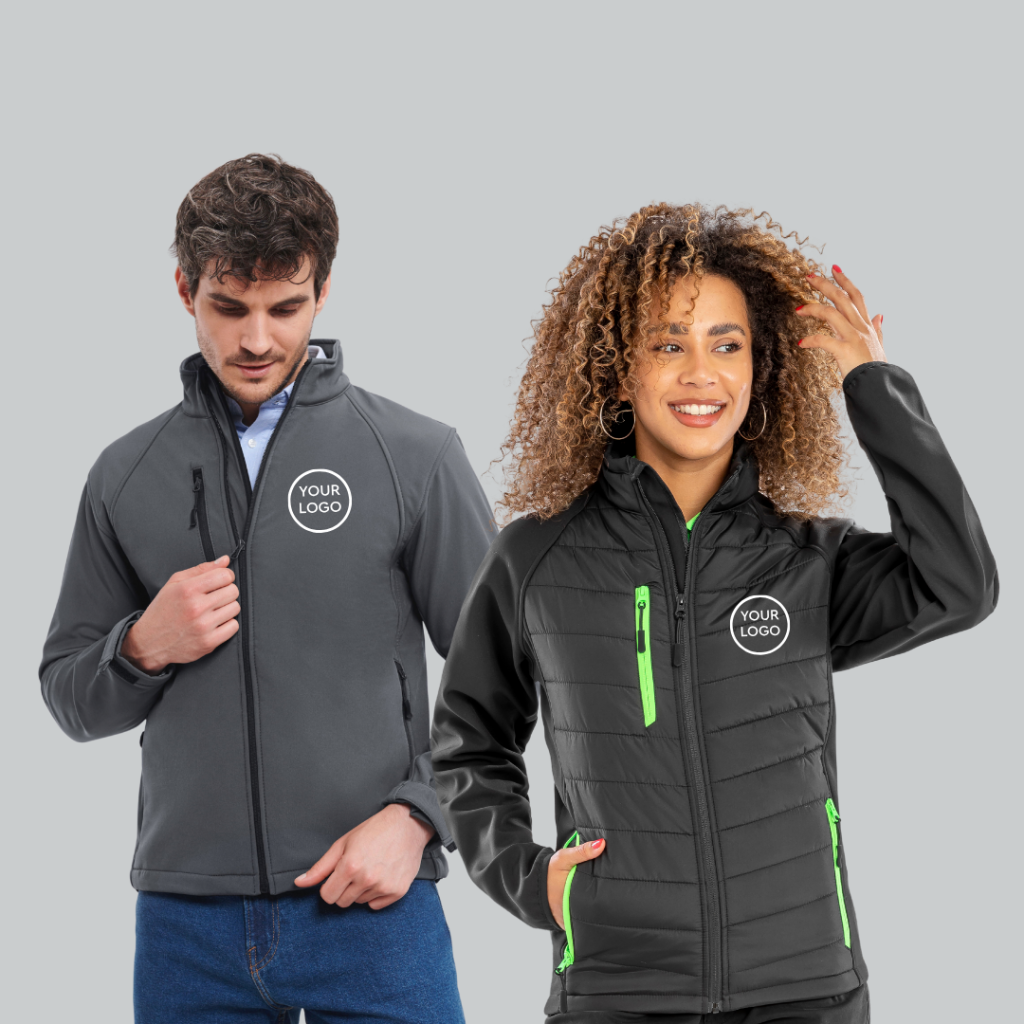
Winter workwear planning shouldn't focus on temperature alone. Rain, wind and damp conditions can affect employee comfort just as much as cold weather, particularly for people working outside for long periods.
Before choosing outerwear, think about the conditions employees are likely to face.
Will they be working in persistent rain, occasional showers or exposed areas with strong winds? Will they need to carry equipment, operate machinery or move frequently between locations? Could they become wet during a shift and need a dry replacement garment?
These questions can help you identify the most appropriate options.
For example, a warm insulated jacket may be suitable for cold conditions, but it won't necessarily provide adequate protection from prolonged rain. Similarly, a lightweight waterproof jacket may help keep rain out but might need to be combined with insulating layers in colder temperatures.
Check garment specifications carefully, including water resistance or waterproof performance, wind protection, insulation and breathability. Where the work involves safety-critical exposure, choose clothing that meets the relevant requirements rather than relying on general descriptions such as 'winter-ready'.
Don’t Forget About Fit and Sizing
Even suitable winter workwear may be uncomfortable if it doesn’t fit properly. Sizing should therefore be part of your planning process, not something left until the order is ready to be placed.
Start by confirming each employee’s current requirements. Don’t automatically rely on measurements from a previous order, particularly if the last uniform issue was some time ago.
When choosing winter garments consider:
A suitable size range
Men’s and women’s fits
Room for layering
Freedom of movement
Where possible, use size guides or arrange samples to help employees select appropriate garments before you commit to larger quantities.
It's also worth keeping a small selection of common sizes available for unexpected replacements and new starters. This can make it easier to issue suitable clothing without having to organise an entirely new order.
Make Sure Your Workwear Represents Your Brand
Winter clothing is an extension of your company uniform, so it’s worth considering how new branded garments will look alongside your existing workwear, that way you can ensure you don't lose your branding when your team layers up.
Consistent colours, logos and garment styles help maintain a professional appearance across the team. This is particularly important for customer-facing employees, site teams and staff who travel between locations.
When choosing branded winter workwear, consider:
Logo placement
Colour consistency
Garment compatibility and consistency
Read our blog to understand why consistent branded workwear matters.
Your Winter Workwear Planning Checklist
Use this winter workwear checklist to make sure you've covered the main considerations before placing your order:
Review existing winter workwear across your team. |
Identify damaged, worn or unsuitable garments. |
Confirm current employee sizes and fit requirements. |
Assess the working environments of different teams. |
Consider exposure to rain, wind, cold and damp conditions. |
Identify suitable layers, jackets and outerwear for each role. |
Check any relevant safety and protective clothing requirements. |
Confirm company colours, logo placement and branding requirements. |
Account for new starters and seasonal employees. |
Allow sufficient time for sizing, ordering and personalisation. |
Estimate replacement requirements and keep suitable spare garments where practical. |
Record the final order so future replacements are easier to organise. |
Completing these steps before winter arrives can help you make more informed purchasing decisions and ensure that employees receive workwear suited to their needs.
Read our blog about the ‘Top 5 Mistakes To Avoid When Ordering Workwear’.
Now, Choose Your Winter Workwear
Prepare your team for the cold weather with our Winter All Stars collection. With garments to help you stay warm, stay comfortable, stay visible and stay coordinated this season. Here are some of our favourites from our Winter All Stars collection:
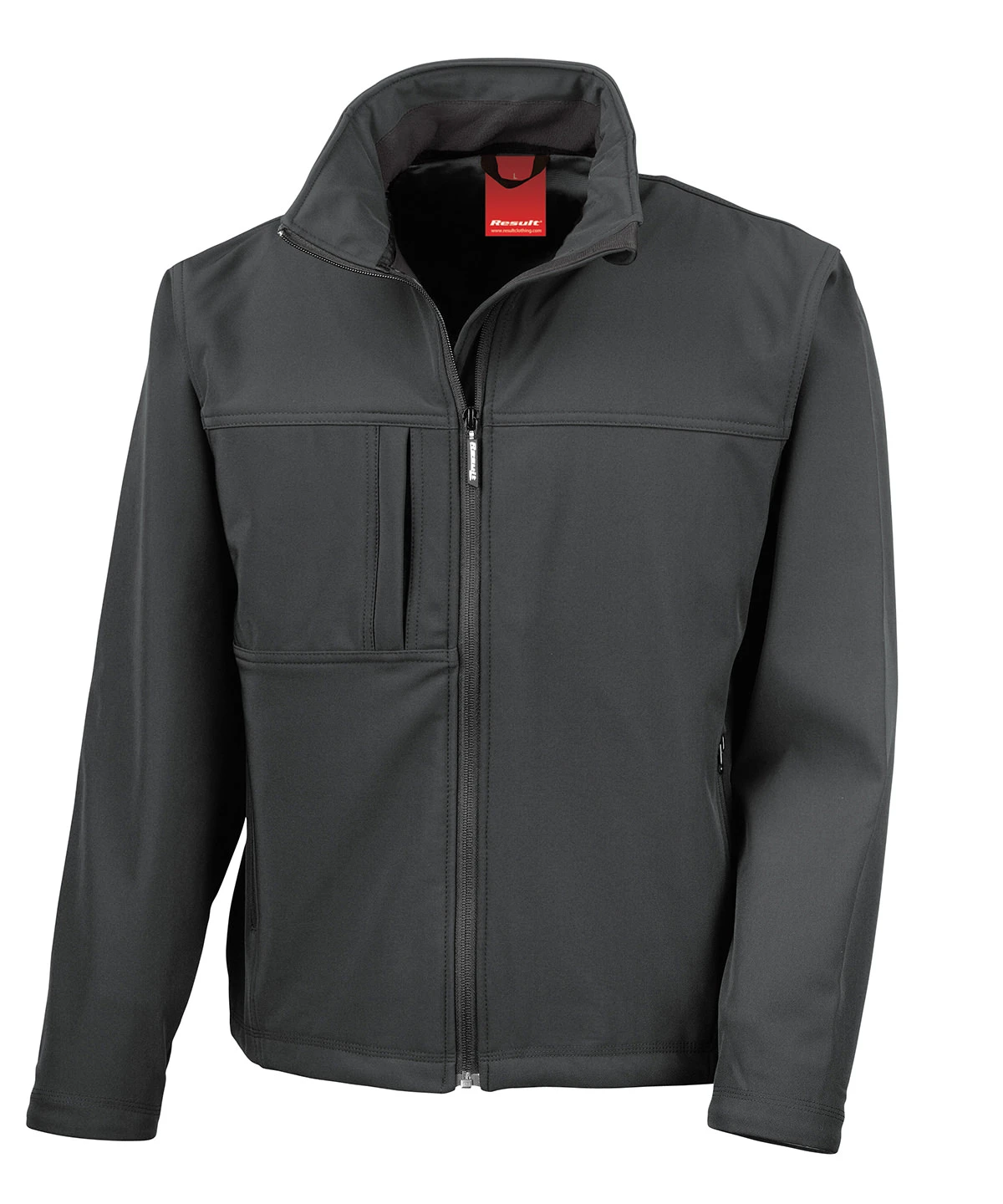
Result Classic softshell jacket
R121A
£31.73 ex. VAT £38.08 inc. VAT
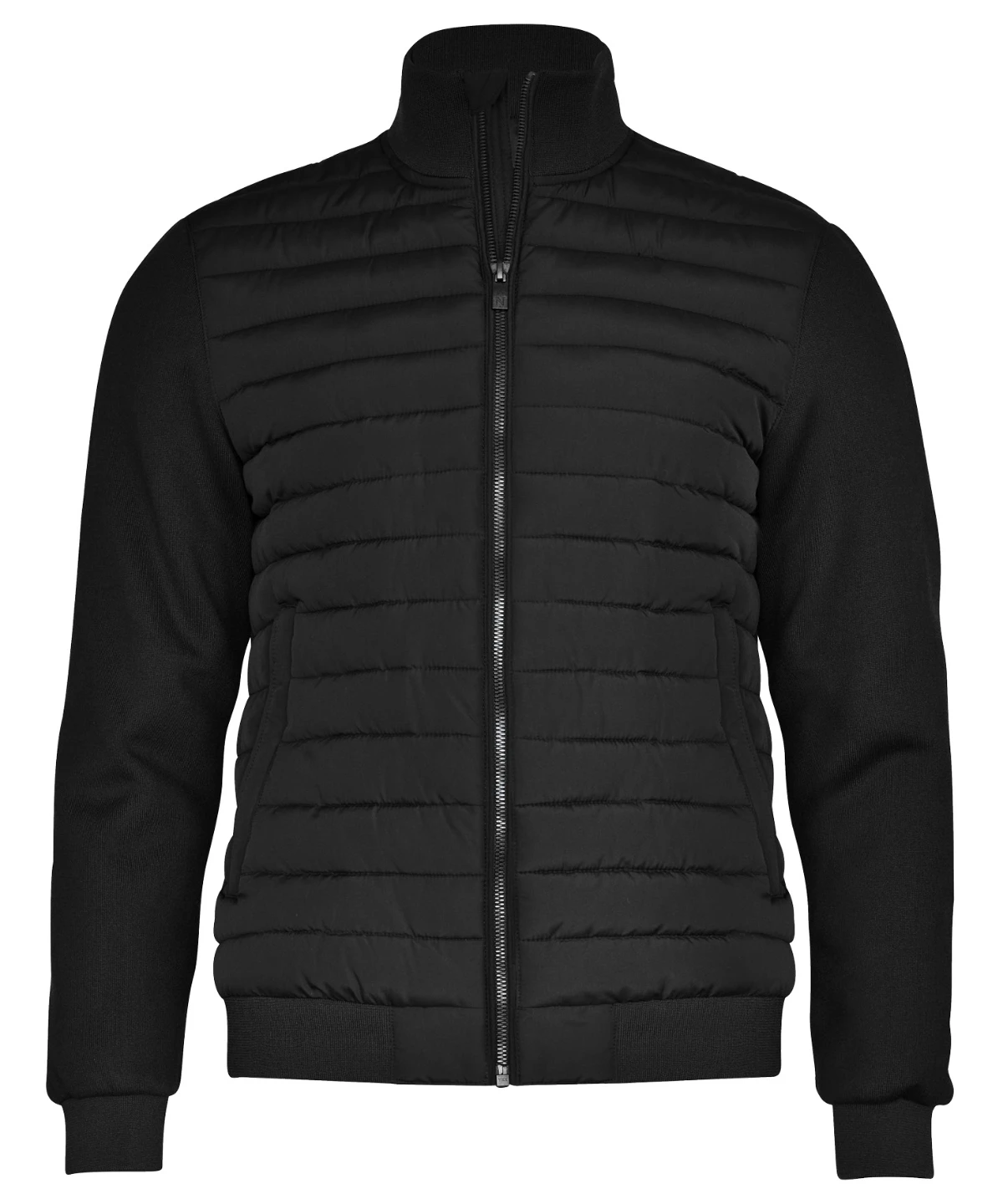
Nimbus Crescent jacket
N122M
£97.33 ex. VAT £116.80 inc. VAT
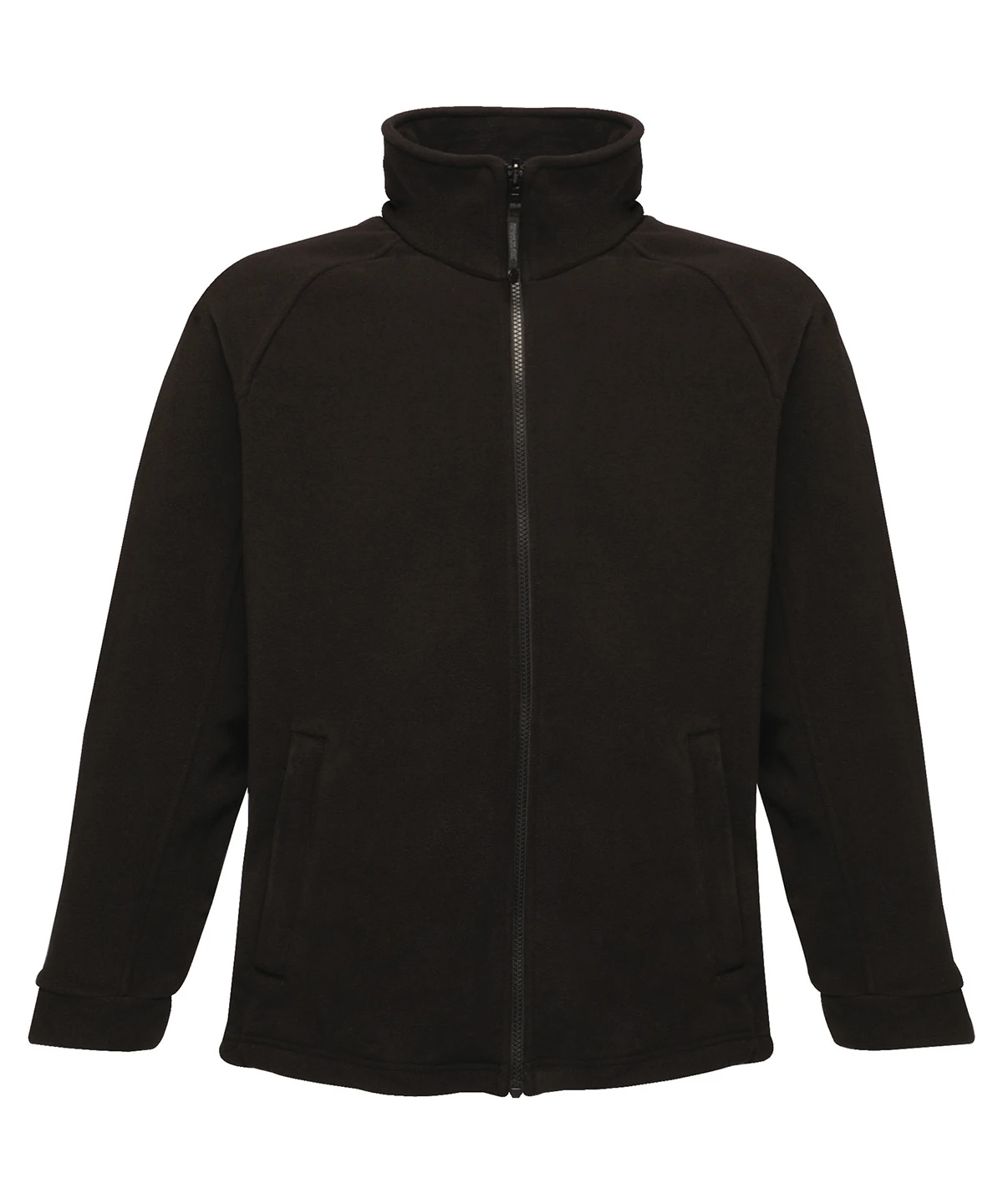
Regatta Professional Thor III fleece
RG122
£18.76 ex. VAT £22.51 inc. VAT
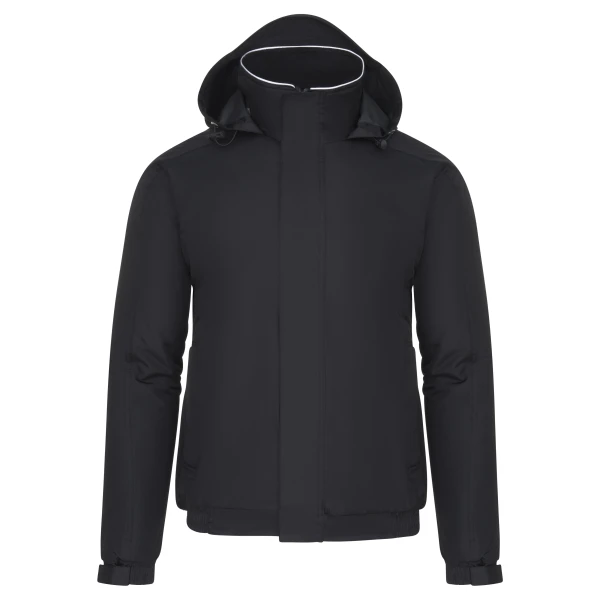
ORN Orn Fulmar Bomber Jacket
4300
£29.52 ex. VAT £35.42 inc. VAT
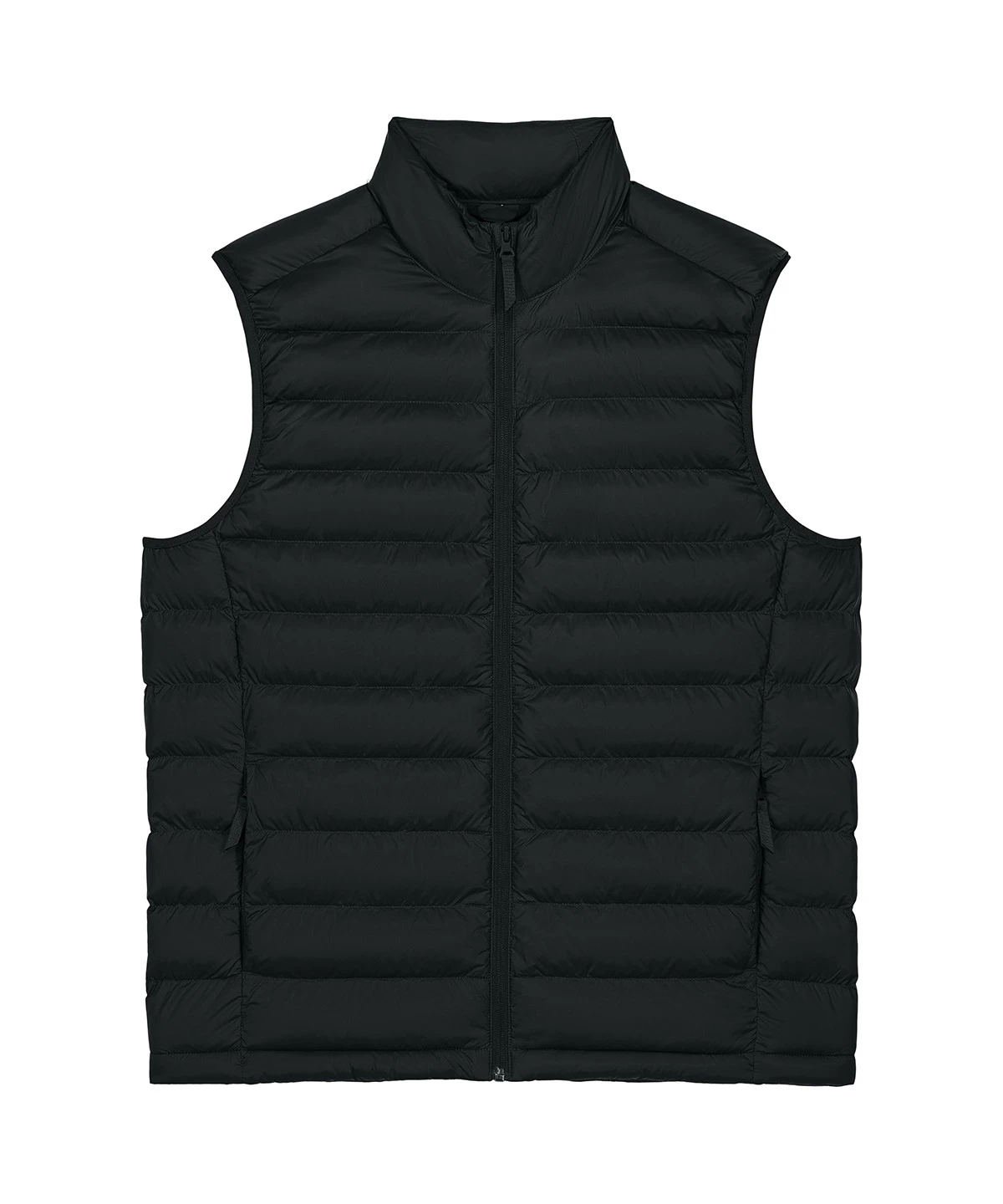
Stanley/Stella Stanley Climber 2.0 (STJM189)
SX774+3
£49.89 ex. VAT £59.87 inc. VAT
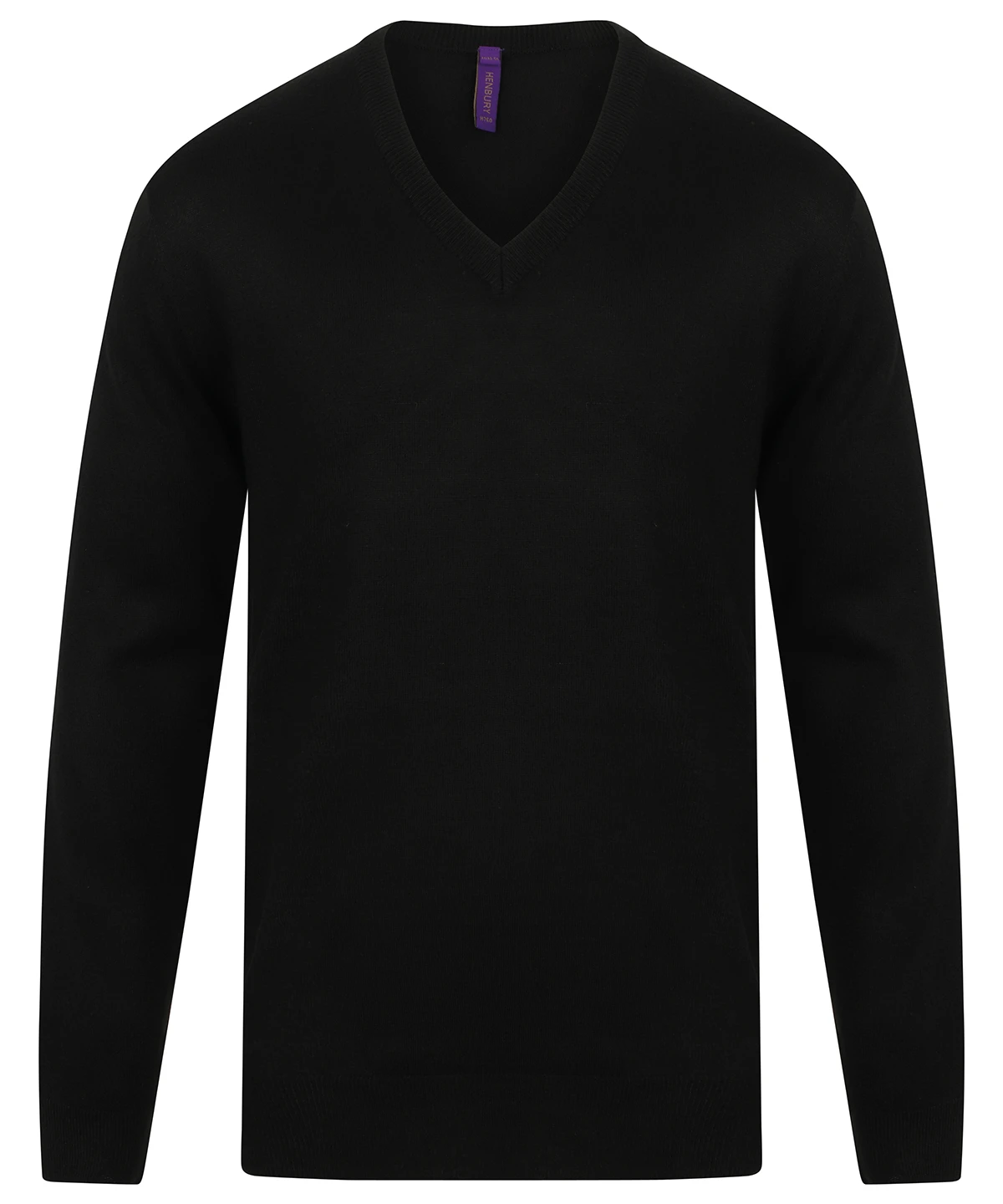
Henbury Cashmere touch acrylic v-neck jumper
HB760
£21.96 ex. VAT £26.35 inc. VAT
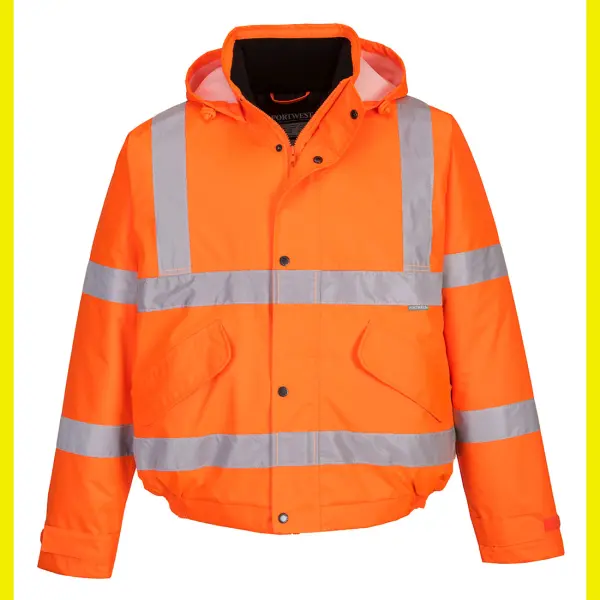
Portwest ES1 Essential Hi-Vis Winter Bomber Jacket
PW_ES463
£23.58 ex. VAT £28.30 inc. VAT
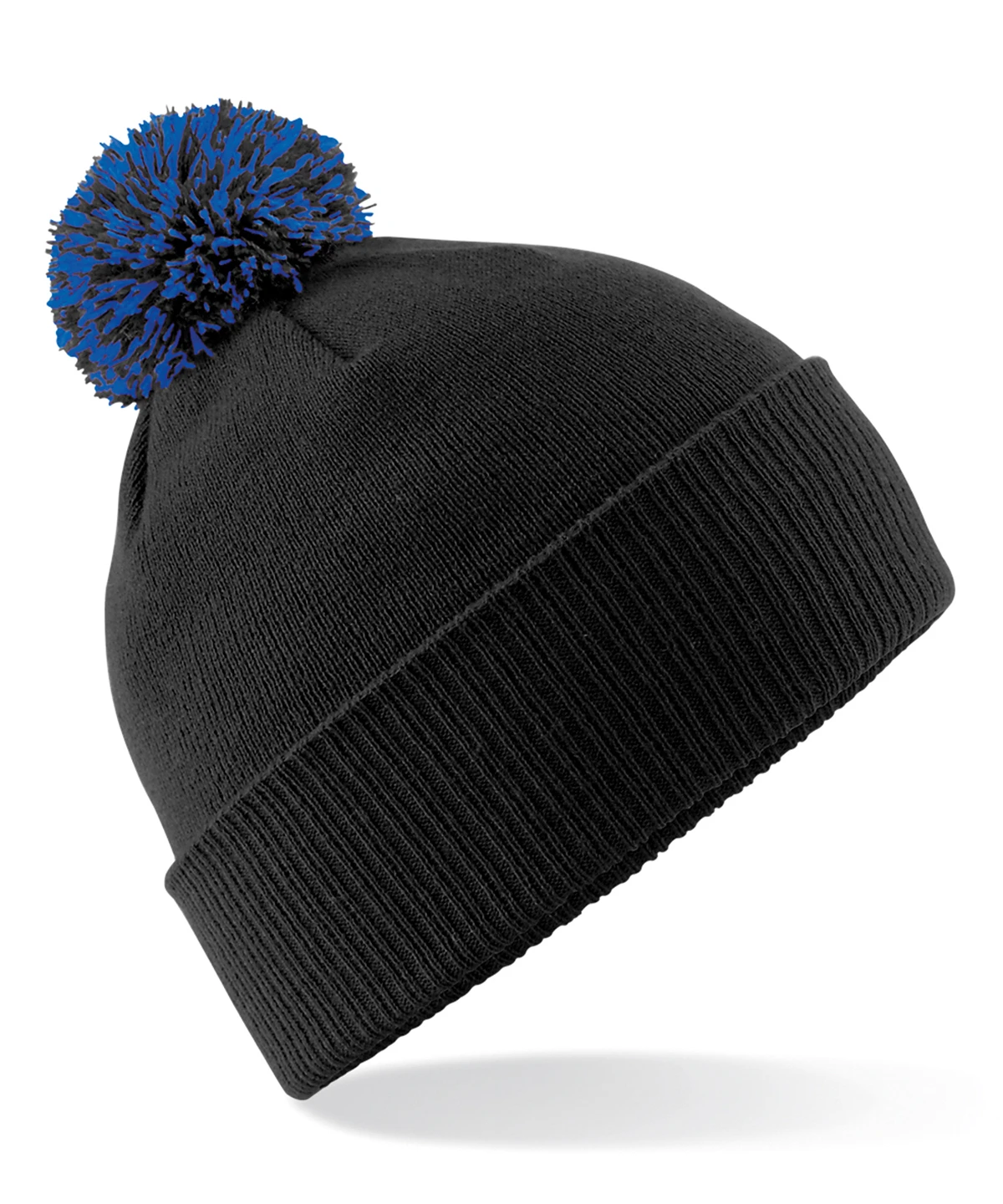
Beechfield Snowstar® beanie
BC450+17
£4.25 ex. VAT £5.10 inc. VAT
FAQ's
When should businesses order winter workwear?
It's best to start planning winter workwear towards the end of summer or in early autumn. This gives you time to review existing uniforms, confirm employee sizes, choose suitable garments and arrange any embroidery or personalisation before colder weather arrives.
What winter workwear should employers provide?
The right winter workwear depends on employees' roles and working environments. Options may include fleece jackets, sweatshirts, hoodies, insulated jackets, waterproof outerwear and suitable winter accessories. Employers should also assess any relevant workplace risks and safety requirements before deciding what clothing is needed.
Should winter workwear be waterproof?
Not every employee needs waterproof clothing, but it can be important for people exposed to rain or wet conditions. Check whether garments are water-resistant or waterproof and whether their specifications suit the expected exposure. Employees working in particularly wet or hazardous environments may require clothing that meets specific protective standards.
How can businesses manage winter workwear orders for large teams?
Begin with a workwear audit and create a list of each employee's clothing requirements, sizes and branding needs. Estimate requirements for new starters and replacements, confirm garment choices and allow time for personalisation. Keeping accurate records of previous orders can also simplify future uniform management. Ask about our customer ordering portals and account management to help make workwear ordering easier.
Can winter workwear be personalised with a company logo?
Yes, many workwear garments can be personalised with either embroidery or printing, depending on the fabric and garment construction. Check which branding methods are suitable for your chosen jackets, fleeces or other winter clothing. Allow time for logo approval and personalisation when planning your order.
What is the best way to keep employees warm at work?
Layering can help employees adapt to changing temperatures throughout the day. A suitable combination of a warm base layer, an insulating mid-layer such as a fleece, and appropriate outerwear can provide flexibility. The right combination will depend on the working environment and any specific protection required.
Here at MyWorkwear, we have been proud suppliers of personalised workwear since 1976.
To see how we can provide the perfect workwear for your team to keep them looking professional and performing at their best, please click the button below.