


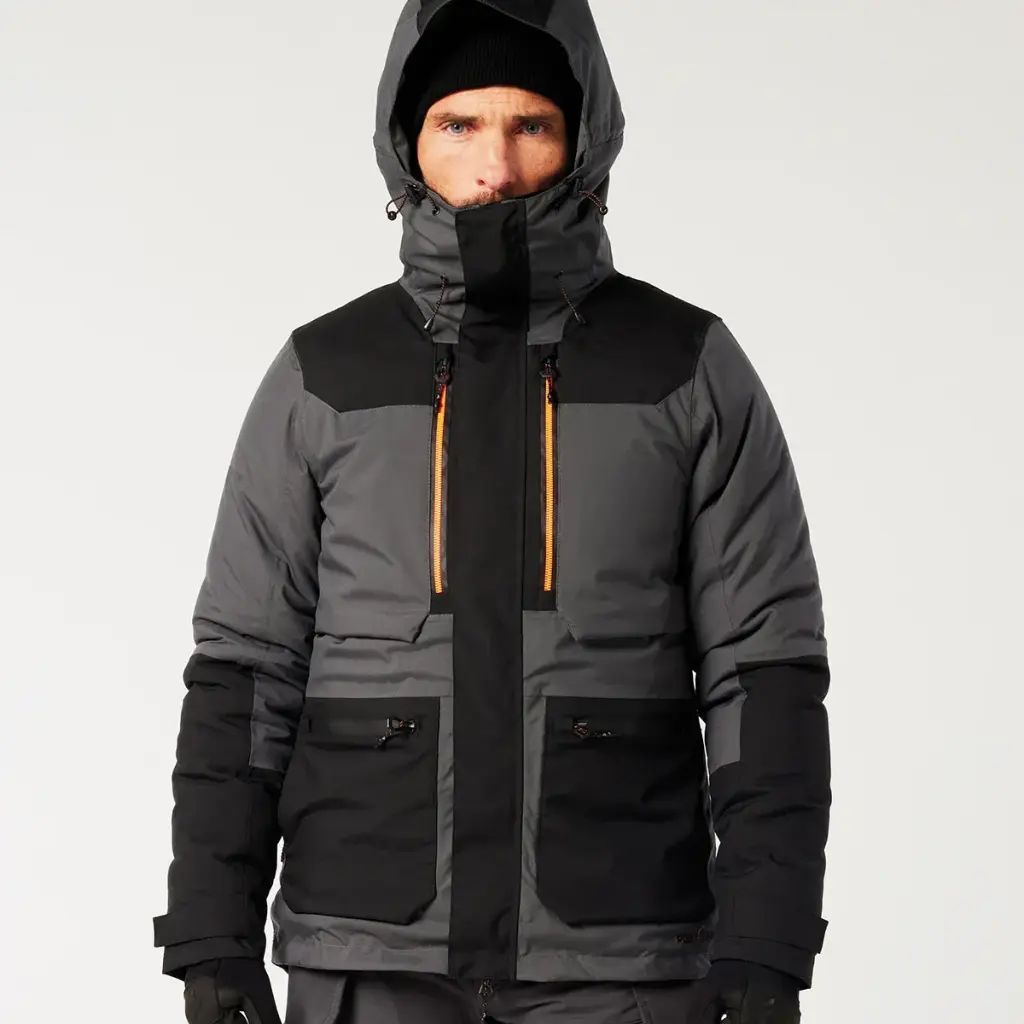
We all know how winters in the UK can get cold, bitter and wet. There is no predicting the weather, so all we can do is be best prepared for it.
Even just for stepping out the door, we often need to be wrapped in (at least) 3 layers and a waterproof on top to ensure we don’t get caught in the rain.
Then imagine how outdoor workers must feel when they are not only braving the winter, but also operating in it. Low visibility in fog equates to higher risks of making preventable mistakes; slippery floors mean there is more risk of falling; freezing conditions can cause a lack of alertness on the job or even illnesses.
To significantly reduce or alleviate these challenges, safety precautions must first come in the form of fabric.
One of the most crucial elements that the construction and manufacturing industries must consider for their role is whether they are dressed appropriately and practically to function all year round. In this post, we’ll explore the best winter workwear for the outdoors.
First - Are Employers Responsible For Providing Winter Safety Clothing?
In the UK, all employers must adhere to strict health and safety guidelines, which include providing ongoing training for employees and taking necessary steps to avoid hazards.
So, are employers legally required to provide winter work gear? There’s no black or white here because it entirely depends on your industry.
Take someone who commutes to an office daily – now, they won’t expect their employer to pay for suitable shoes. However, someone who spends a lot of time outdoors is entitled to protection.
Let’s look at the different guidelines and regulations in place.
The Health and Safety Executive (HSE)
The HSE outlines employer responsibilities, including providing PPE (Personal Protective Equipment) to employees.
Individuals who regularly work outside in adverse conditions shouldn’t have to purchase their own safety gear, so some items are the employer’s responsibility.
International Safety Organisation (ISO)
The ISO doesn’t explicitly list winter-specific requirements but says employers are responsible for maintaining safety.
For example, ISO 13688 states that employees must have protective clothing, while ISO 20471 is a protocol for high-visibility clothing.
CE Compliance
Products with CE markings adhere to strict quality control laws set in place by the European Union. Winter clothing with these markings has undergone strict testing to ensure it’s safe to wear.
If you’re buying winter clothing for the construction industry, CE-compliant items are the hallmarks of quality.
Layering For Winter Workwear
Insulated workwear for cold weather guarantees that outside workers are not too heavily affected by their surroundings – therefore, they can focus on their job responsibilities without worrying if their gear is protecting them enough from external elements.
One of the easiest ways to stay warm? Layering. It makes the most of your clothing, maintains comfort, and can be a real game-changer. Layering for winter is essential, so workwear is not an exception to this.
It Starts With The Base Layer
Insulation begins at the core: where garments need to grip to the skin to prevent heat from leaving and wick sweat away from the body.
The perfect material to encapsulate these properties is polyester- it can simultaneously retain heat whilst also feeling lightweight and durable to wear. Often combined with spandex, this formulates a layer that feels almost like a seamless second skin and so it allows the wearer to motion freely – and in this case, work more effectively.
Baselayers can even be designed to regulate internal body temperatures.
To achieve this, we would recommend brands that specialise in sportswear, such as Spiro, Rhino, Onna by Premier and TriDri, and AWDis Just Cool, as they offer a range of leggings, body fit T-shirts, and long sleeves that are all made with movement in mind and can target the cold.
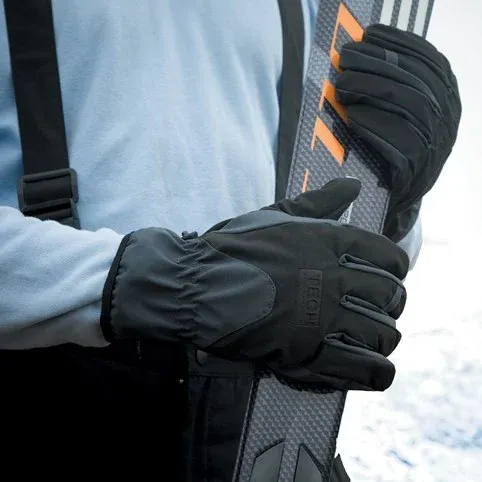
NN270 Onna by Premier Unstoppable Fresh Baselayer
Optimal airflow vents in the fabric, incorporates a natural mint deodorising finish, and is made from Global Recycled Standard materials that act as a reliable shield against the elements.
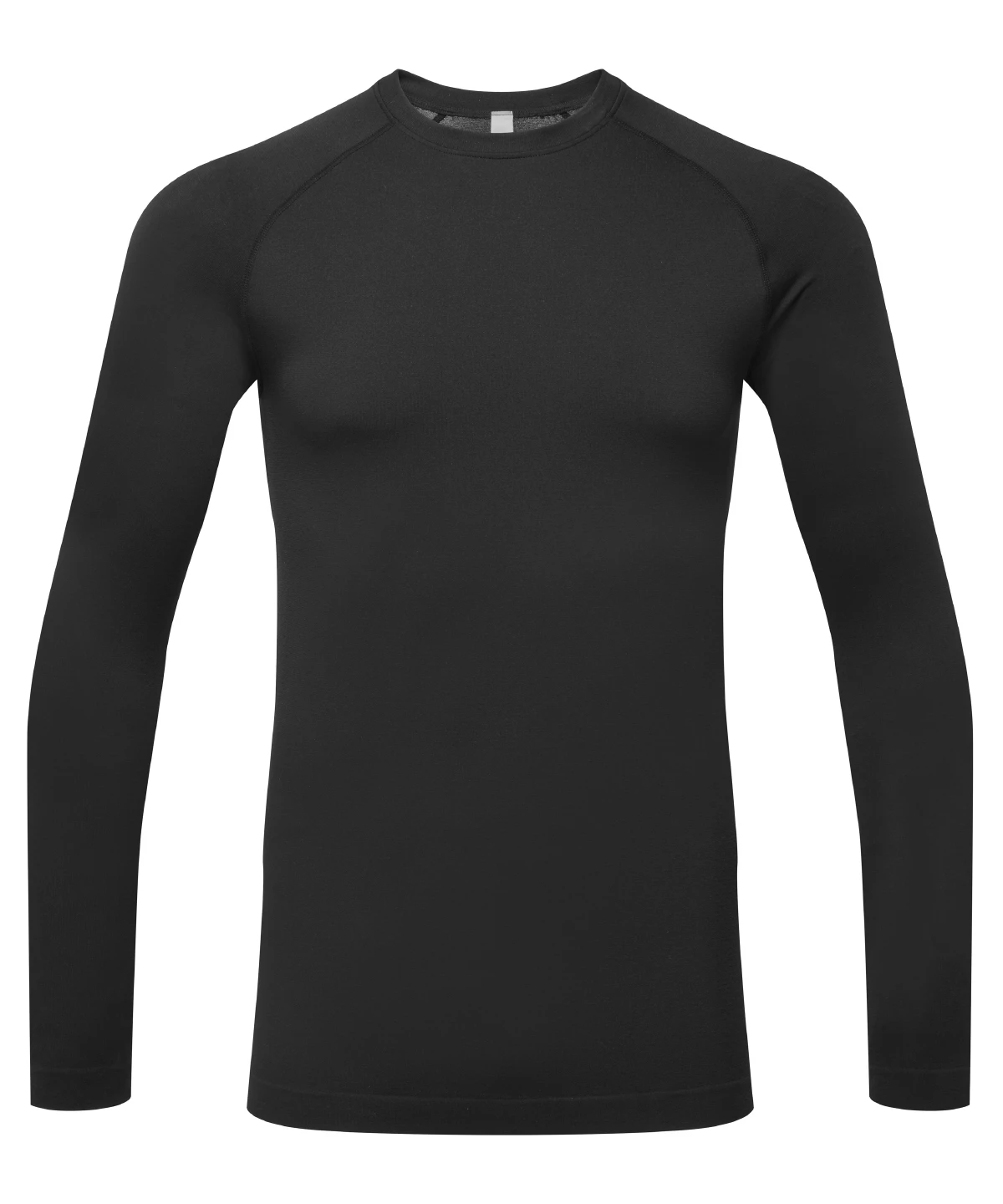
SR251M Spiro Bodyfit Base Layer Leggings
Reflective branding on the sides for high visibility if worn under shorts, created from quick-dry performance fabric, breathable.
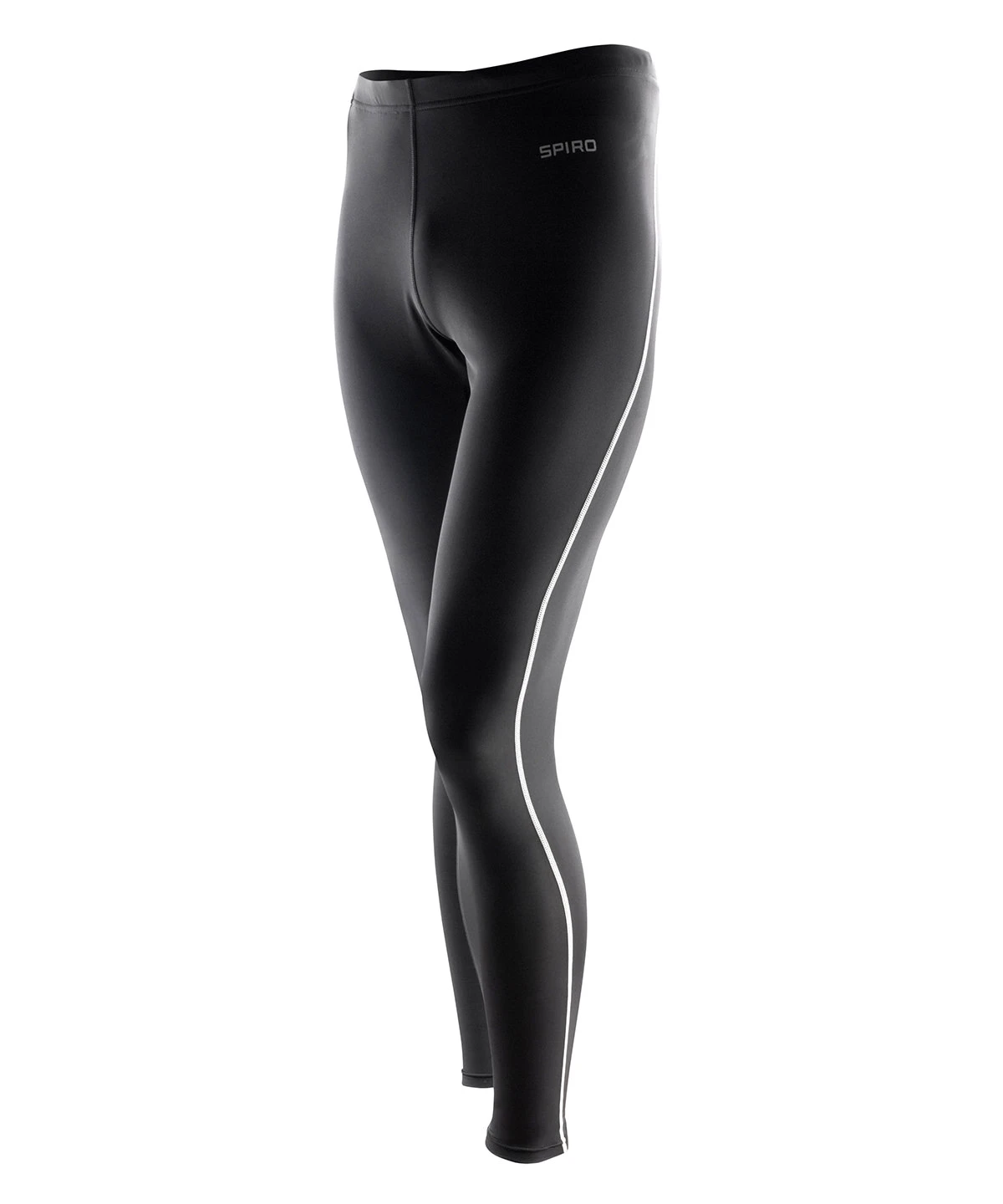
Must-Have Outerwear For Harsh Conditions
Let’s be real, working outside during the spring and summer has its advantages. While others are stuck at their desks, sweating it out and relying on a fan, you get to soak in everything nature has to offer.
But then winter rolls around, and suddenly, that green-eyed monster creeps in. Luckily, modern winter workwear will keep you – or your employees – safe, warm, and happy.
The Best Waterproof And Insulated Jackets For Winter
Water-resistant jackets make working in wet conditions more bearable, but you can double up by finding an option with insulation.
The best options will have a variety of features, including taped seams, water-resistant coatings and zippers that block excess water.
Our Top Picks?
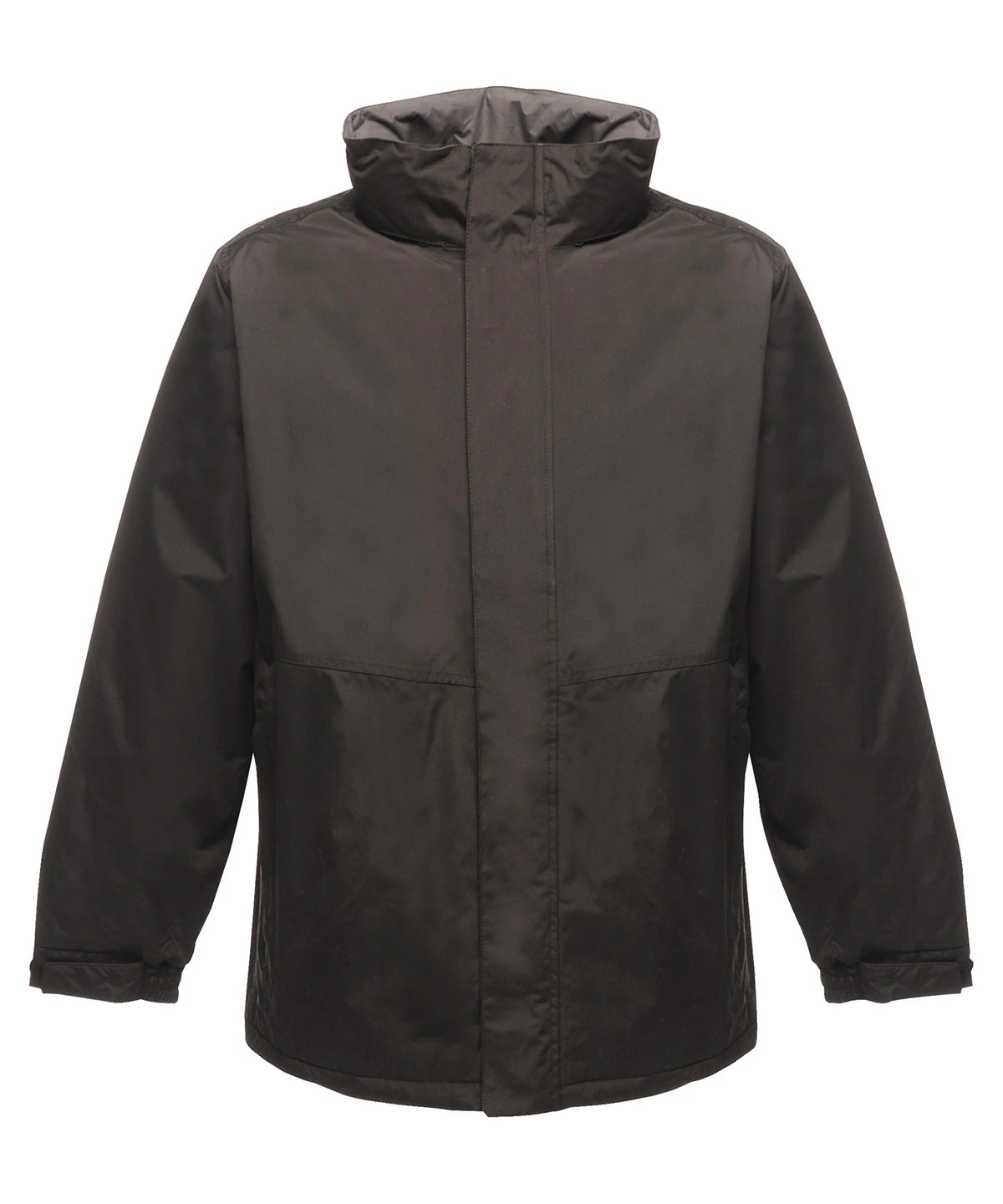
Check out the Regatta Dover Waterproof Insulated Jacket with Thermo-Guard® insulation that provides warmth in the coldest conditions.
Women will love the Regatta Ladies Beauford Insulated Jacket, which manages to achieve that elusive balance of functionality and style.
Check out more waterproof jackets.
Jackets That Maintain Safety In Low-Light Conditions
Those shorter days aren’t just mood killers; they’re also safety hazards waiting to happen.
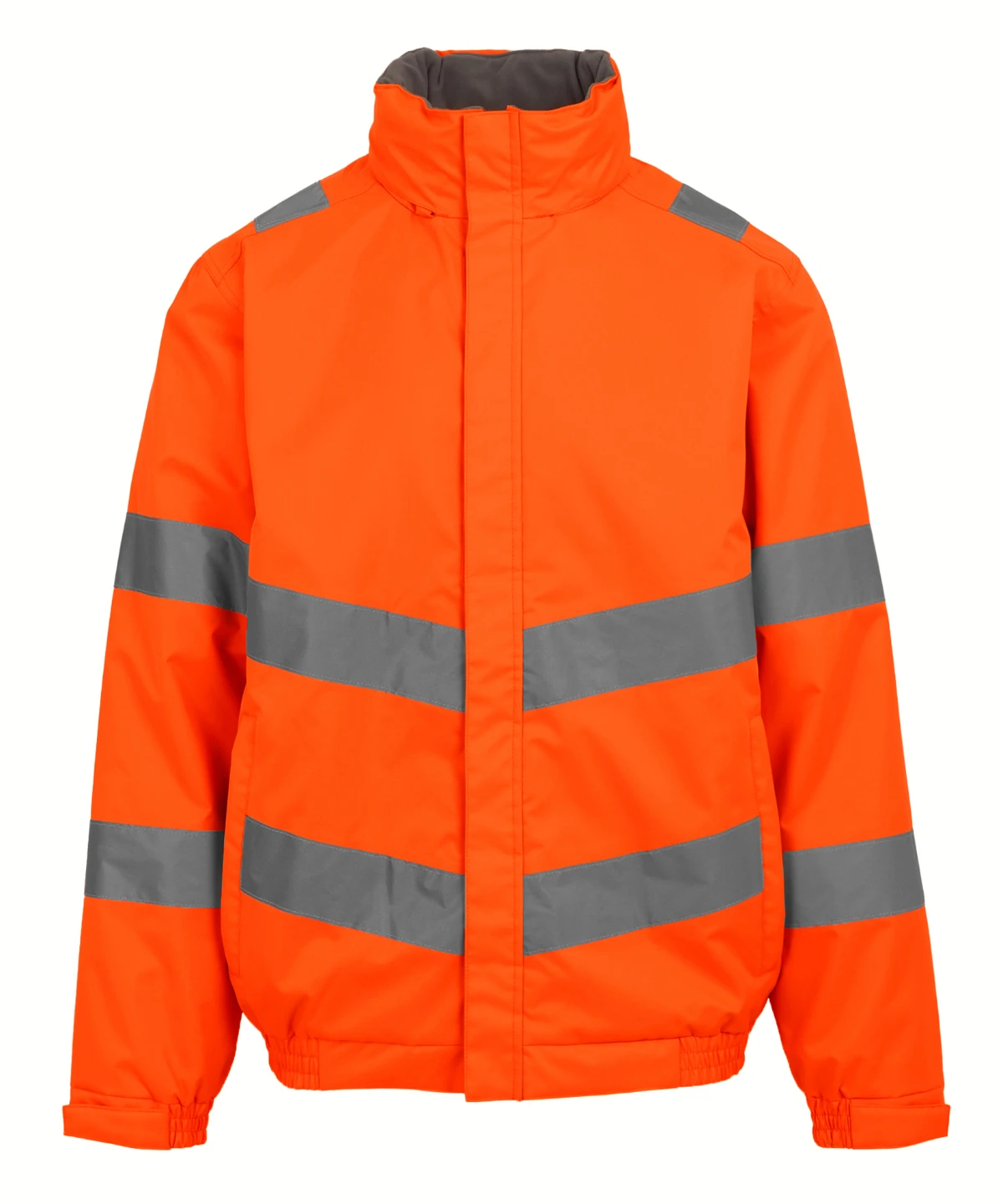
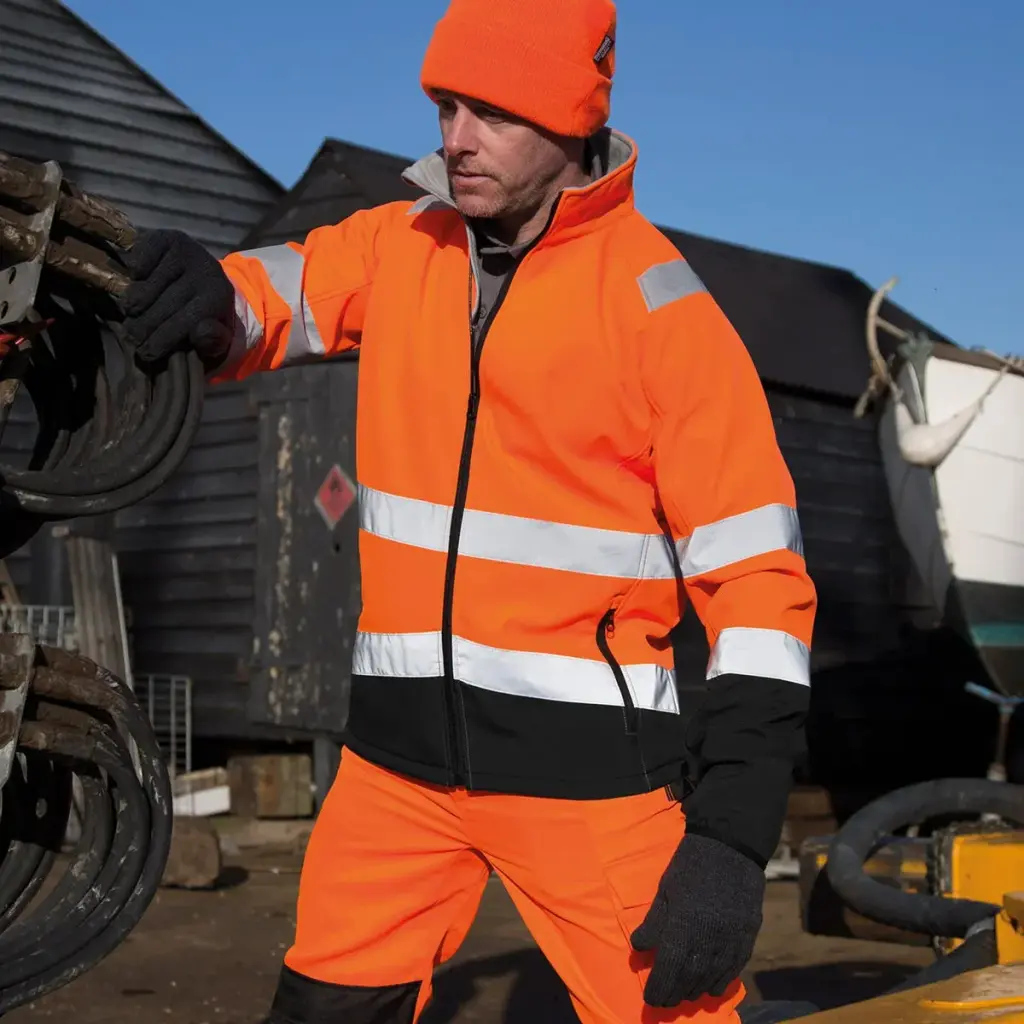
High-visibility jackets are game-changers for employers, as they keep workers safe and align with HSE guidelines.
These jackets use attention-grabbing colours like orange and yellow, along with reflective strips for extra visibility.
Our jackets come in all shapes and sizes. There’s something for everyone!
Winter Work Accessories For Protection
Never underestimate the power of accessories. Sure, you can have a thermal jacket and plenty of layers, but the right accessories can prevent serious accidents.
According to the Health and Safety Executive, accidents are more common during the winter due to low visibility and slippery conditions.
You don’t need to spend a fortune by stocking up on every single accessory imaginable, but choosing the right solutions can significantly enhance safety.
Cold Weather Gloves
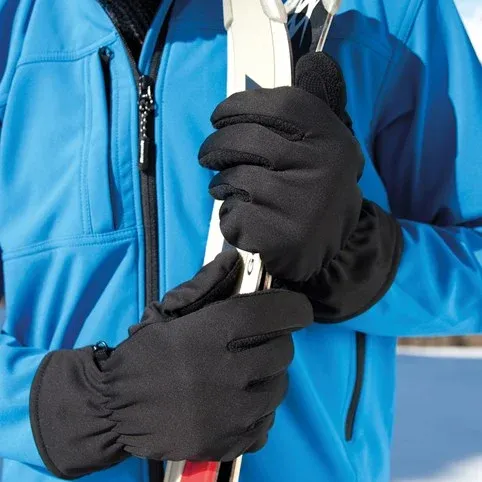
Gloves provide protection against heat or toxic substances, keep hands warm, and ensure workers can operate tools and machinery. So, which gloves are best for freezing conditions?
The clue’s in the name with the Portwest Arctic Winter Gloves. These CE-Certified gloves have twin liners that trap heat while maintaining dexterity. They also come with superior grips, ensuring even the wettest conditions don’t impact productivity.
Looking for something a little less heavy-duty? Result Classic’s Thinsulate Gloves are ideal for security guards and traffic wardens.
Waterproof Work Boots
Have you ever experienced that soaked-through feeling when water leaks into your shoes and seeps through your socks? It happens when you don’t have the right boots for wet conditions.
The best waterproof work boots will block out water and keep the feet dry in all weather conditions. Top choices include:
Rigger Boots: Nothing gets through them. They come with steel toes to protect riggers and construction workers against falling objects, have heavy-duty grips and use waterproof materials. Better still, rigger boots come in a range of styles and sizes.
Wellington Boots: The average pair of Wellington boots provide some protection, but fully waterproof wellingtons stop water in its tracks. Some also incorporate shields to protect industrial workers from injuries.
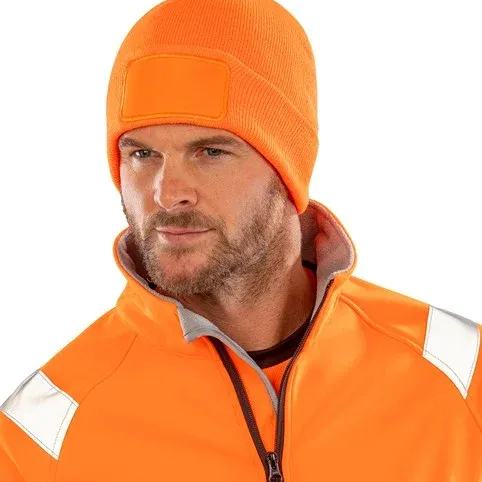
Headgear
Did you know that the average person can lose up to 10% of body heat through their head? It might not seem like a lot, but working in freezing conditions means you’ll want to retain as much heat as possible.
Choosing a warm hat can make a massive difference to overall comfort and prevent heat loss. We recommend choosing an option that fits snugly without restricting movement or visibility.
Stay Safe, Warm And Dry This Winter
Choosing the right winter work wear means you—or your employees—can handle anything the winter season brings. Whether you’re looking for waterproof workwear, high-visibility jackets, or accessories, My Workwear has everything you need.
We offer high-quality clothing at excellent prices. With speedy delivery across the UK and top reviews from our loyal customers, you’re in safe hands with us.