• Free Delivery Over £99*
  • No Minimum Order
  • Price Match Guarantee
  • TrustPilot 4.8

Everything You Need To Know About Safety Boots

Safety Boots

Safety boots are an essential part of personal protective equipment (PPE) for many workers across various industries. They provide protection against a wide range of hazards, including crushing injuries, punctures, slips, and electrical hazards.

In this article, we will discuss the different types,  their key features, safety standards, and how to choose the right pair for your needs.

Types of Safety Boots

There are several types of safety boots, each designed to address specific hazards in the workplace. At MyWorkwear we have a wide selection to browse the range click here >

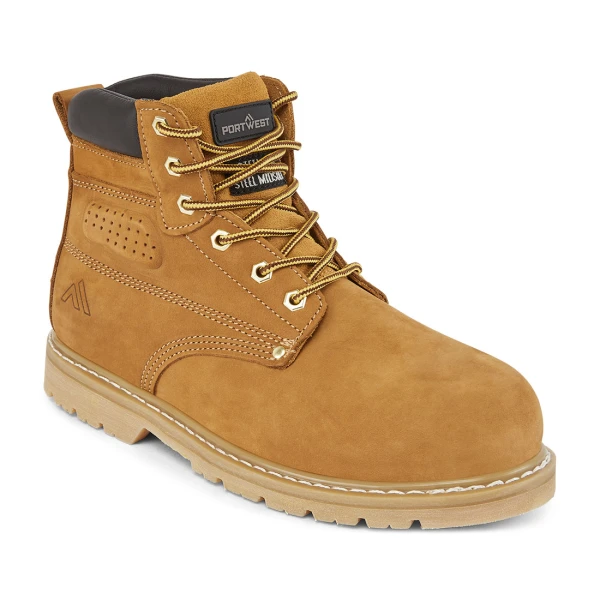
  • Steel Toe Boots
    Steel toe boots feature a steel cap integrated into the toe box, providing protection against impact and compression. They are ideal for workers in construction, manufacturing, and other industries where heavy objects may pose a risk.

  • Composite Toe Boots
    Composite toe boots use non-metal materials like plastic, carbon fibre, or Kevlar to provide protection. They are lighter than steel toe boots and offer better insulation against temperature extremes and electrical hazards.

  • Metatarsal Guard Boots
    These boots have an additional guard that covers the metatarsal bones, protecting the top of the foot from impact and crush injuries. They are suitable for workers in industries like mining, welding, or metalworking. We have a selection of boots suitable for welding and metalwork.

  • Electrical Hazard Boots

    Designed for workers exposed to electrical hazards, these boots have non-conductive soles and are tested to withstand a certain voltage. They are ideal for electricians, linemen, and other professionals working with electricity.

Safety Boot Care Tips

Proper care and maintenance of your safety boots will help extend their lifespan and maintain their protective capabilities. Here are some tips to keep your boots in good condition:

  1. Dry them properly: If your boots become wet, remove the insoles and let them air dry. Avoid using direct heat sources, such as radiators or hair dryers, as they can damage the boot materials.

  2. Rotate your boots: If possible, have two pairs and rotate them daily. This allows each pair to dry and air out properly between uses, reducing the risk of odour and bacterial growth.

  3. Store them correctly: Store your boots in a cool, dry place away from direct sunlight. Exposure to heat or moisture can damage the materials and reduce the effectiveness of the protective features.

  4. Inspect them regularly: Check your boots for signs of wear, damage, or deterioration. Replace them as needed to ensure they continue to provide adequate protection.

  5. Follow the manufacturer’s instructions: Always adhere to the care and maintenance instructions provided by the boot manufacturer to keep your boots in the best possible condition.

Remember that investing in high-quality boots and taking care of them properly will ensure your feet remain protected and comfortable while on the job.
Safety Boots for Women

Safety boots are not limited to men; there is a growing range designed specifically for women. These boots take into account the unique anatomical differences and requirements of women’s feet. Here are some factors to consider when choosing safety boots for women:

  1. Size and Fit: Women's boots are generally narrower and have a smaller overall volume than men’s boots. Ensure that the boots you select cater to the specific sizing needs of women, providing a secure and comfortable fit.

  2. Style and Design: Many now come in more fashionable designs, incorporating vibrant colours and patterns without compromising on protection. Choose a style that suits your preferences while still meeting the required safety standards.

  3. Weight: Women’s boots tend to be lighter than their male counterparts, ensuring that they don’t cause unnecessary fatigue during the workday. Look for boots made from lightweight materials, such as composite toe caps, to minimize the overall weight.

  4. Ankle Support: They often have a lower ankle height to accommodate the shape of women’s ankles and provide better support. Make sure the boots you select offer adequate ankle support without restricting mobility.

Safety Boots for Different Industries

Safety boots are designed to cater to the specific needs of various industries. Some examples include:

  • Construction

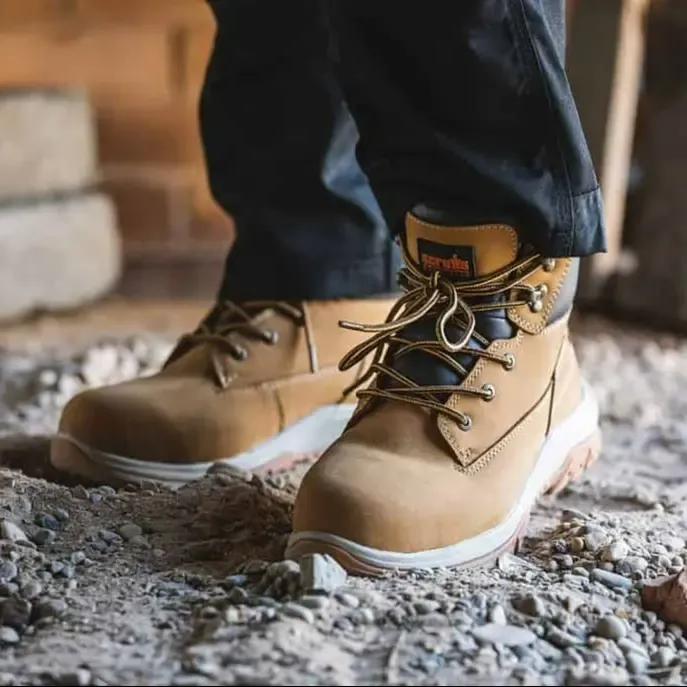
    In the construction industry, workers require boots that provide protection against heavy objects, sharp materials, and uneven surfaces. Look for boots with steel or composite toe caps, slip-resistant soles, and durable materials such as leather or synthetic uppers.

  • Food Industry
    Workers in the food industry need boots that are easy to clean and provide protection against slips, chemicals, and contaminants. Opt for boots with slip-resistant soles, waterproof materials, and antimicrobial linings.

  • Oil and Gas Industry

    Safety boots for the oil and gas industry should offer protection against chemicals, extreme temperatures, and slips. Select boots with chemical-resistant materials, insulation for temperature extremes, and slip-resistant soles.

  • Healthcare and Laboratory Safety Boots

    For healthcare and laboratory workers, safety boots should provide protection against spills, chemicals, and contaminants. Choose boots with waterproof, chemical-resistant materials, and easy-to-clean uppers.

By understanding the specific requirements of your industry, you can select the most appropriate safety boots to provide the necessary protection and comfort.

Safety Boot Recommendations

Frequently Asked Questions

Why are safety boots important?

Safety boots are specialised footwear designed to protect your feet from various workplace hazards, such as falling objects, sharp items, electrical risks, and slippery surfaces. They are essential in environments where foot injuries are a concern, helping to prevent accidents and ensure compliance with safety regulations. For businesses in the manufacturing, construction and agriculture sectors safety boots are a necessity and many sites can’t be accessed without them alongside a selection of other PPE.

Are they required by law in the UK?

Employers in the UK must provide appropriate PPE, including safety boots, as required by the Personal Protective Equipment at Work Regulations 1992. The specific type of safety boot required depends on the workplace hazards.

How often should I replace them?

The lifespan of safety boots depends on the quality, usage, and work environment. Regularly inspect your boots for signs of wear and damage, and replace them if they no longer provide adequate protection or comfort.

Can I wear regular boots instead of safety boots?

Regular boots may not provide the necessary protection against workplace hazards. Always choose those that meet the relevant safety standards and are designed for the specific hazards in your workplace.

What are some popular safety boot brands?

Some popular brands include Caterpillar, Dr. Martens, Timberland, JCB, and DeWALT, among others. When choosing a brand, prioritize quality, comfort, and protection over brand name.

How do I clean and maintain my safety boots?

Regularly clean them with a soft brush or damp cloth to remove dirt and debris. Use a waterproof spray or wax to maintain water resistance. Always follow the manufacturer’s instructions for cleaning and maintenance.

Do safety boots have an expiration date?

They do not have a specific expiration date, but their effectiveness can diminish over time due to wear, damage, or exposure to environmental factors. It is essential to regularly inspect and replace them as needed to ensure they continue to provide adequate protection.

Can I wear safety boots with orthotics?

Yes, many can accommodate orthotics or custom insoles. Look for boots with removable insoles, allowing you to insert your own orthotics for additional comfort and support.

How can I break in new safety boots?

To break into them, wear them for short periods initially and gradually increase the wear time. You can also use a leather conditioner to soften the boot material, making it more comfortable and flexible. Always ensure the boots fit correctly and provide the necessary support.

Are vegan safety boots available?

Yes, vegan safety boots are available, made from synthetic materials that mimic the properties of leather, such as durability and water resistance. These boots are a suitable alternative for individuals who prefer not to use animal-derived products.

What is the difference between safety shoes and safety boots?

Safety shoes typically have a low-cut design, while safety boots have a higher ankle height, providing additional support and protection. Both safety shoes and boots can offer similar protective features, such as toe caps, slip-resistant soles, and electrical hazard protection. The choice between safety shoes and boots depends on your workplace hazards and personal preferences. Take a look at our range of Safety Shoes here.

How long should work boots last?

Your job and the working conditions your boots will have to handle will significantly impact your boot lifespan. We expect the majority of our work boots to last between 12 and 36 months on average, but if you're working in construction or agriculture, where the ground gets muddy and wet, your boots may start to wear more quickly.

How do I choose the right safety boot for my work environment?

When looking for your next pair of work boots we recommend focussing on the specific hazards present in your workplace. For example:

  • Construction Sites: Boots with steel toe caps and puncture-resistant soles are ideal.

  • Electrical Work: Boots with Electrical Hazard (EH) ratings are recommended to prevent electric shocks.

  • Wet Environments such as farms: Waterproof boots with slip-resistant soles are the best option.

Assessing your work conditions will guide you to the appropriate safety features needed however our team are on hand to help you choose the best work boots for your requirements so please feel free to contact us.

What are the key safety standards for safety boots?

In the UK and Europe, safety boots must comply with the EN ISO 20345 standard, which specifies requirements for protective footwear, including impact resistance and sole penetration resistance. You can find more information on this compliance within the product description of each of our boots.

Ensure Your Best Protection

Safety boots play a crucial role in protecting workers from various workplace hazards. Understanding the different types, features, and safety standards will help you choose the right pair for your needs. Always prioritize proper fit, comfort, and durability to ensure your safety boots provide the best protection possible.

Here at MyWorkwear, we have been proud suppliers of personalised workwear since 1976.

To see how we can provide the perfect workwear for your team to keep them looking professional and performing at their best, please click the button below.