


What Is The Best Way To Clean Work Clothes?
Here at MyWorkwear, we pride ourselves on only providing our customers with durable, protective, and long-lasting branded workwear which is why we’re providing you our top tips on how to clean your work clothes and ensure they last as long as possible.
No one wants their workwear to last a week: We understand that everyone wants to go to work in smart, professional clothes and feel comfortable in what they are wearing. Confidence is key to working to your highest standard, and this begins with the very basic principle of having the correct uniform, and keeping it clean.
However, once the garments have left our premises, customised and ready to reach your front door, it is down to you to properly care for your uniform, and practice workwear maintenance like it is another extension of your job role.
Here is a breakdown of how to wash material-consciously
100% Cotton – Mild detergents, hang out to air dry to avoid shrinkage and colour fading
Polyester and Blends – Use cold water and lower heat to protect its moisture-wicking properties
Canvas and Denim – Hot water and heavy-duty cycles to preserve its strength and shape
Waterproof Garments – Wash on low heat, use a specialised detergent, and reapply water-repellent spray to maintain their protective coating
Flame-Resistant Workwear – Check specific labels to prevent any damage, but wash at high temperatures (60°C or above), avoid bleach and starch to not degrade the fabric
Hi-Vis and Reflective Clothing – Mild detergent, spot cleaning, avoid over-washing to preserve visibility.
Industry Best Kept Secrets
Depending on the industry that you work in, your role may require your workwear to abide by stricter hygiene regimes; to look smart and corporate at all times; to take extra care of your uniform to ensure that its specialised properties stay intact.
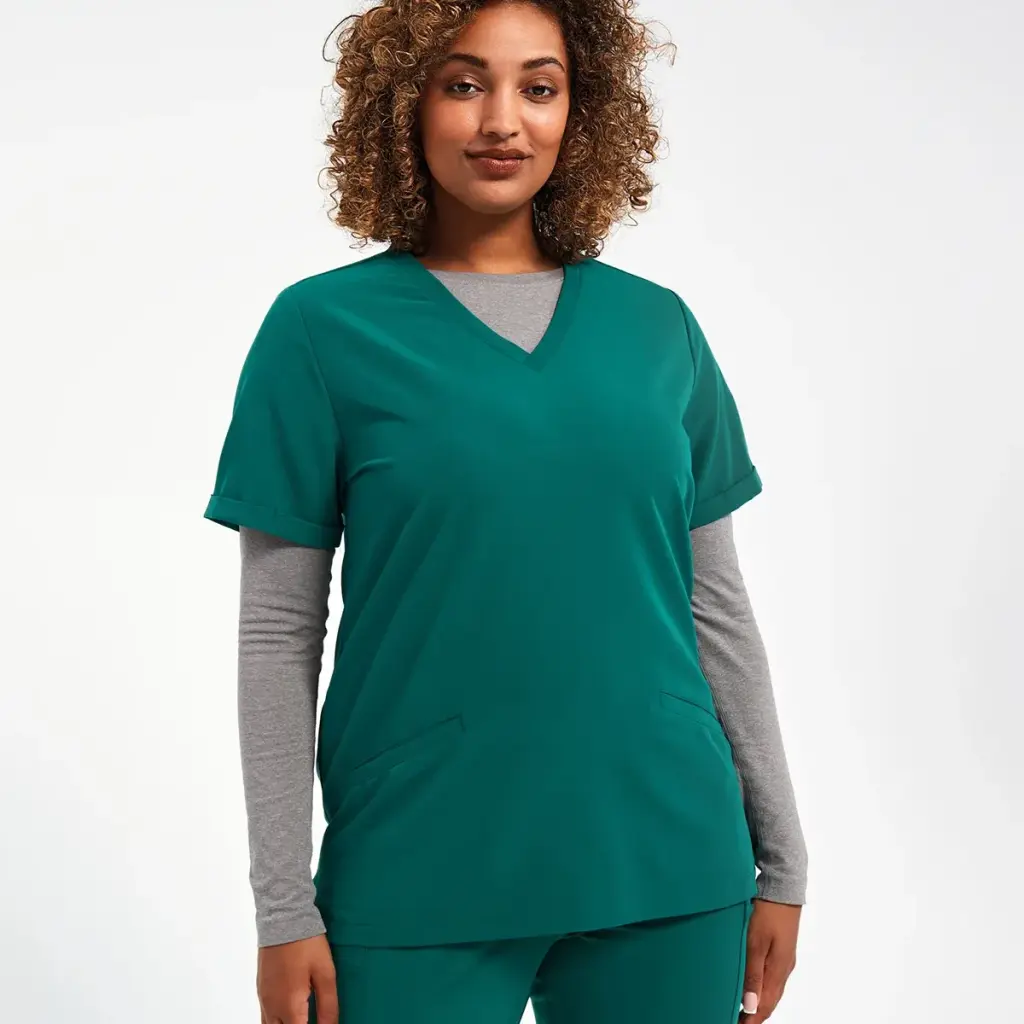
For working in the healthcare industry, uniforms should be washed in high temperatures with antibacterial washing detergents. This is especially vital for scrubs, coveralls, undergarments, and tunics, to kill any bacteria and prevent the risk of spreading any germs.
Construction and tradesmen
This is similar to working in the hospitality industry, as workers’ aprons, shirts, and chef whites should also be cleaned in hot water, especially to eliminate cross-contamination and remove any stains left over from the shift before, whilst maintaining their professional and presentable look at all times.
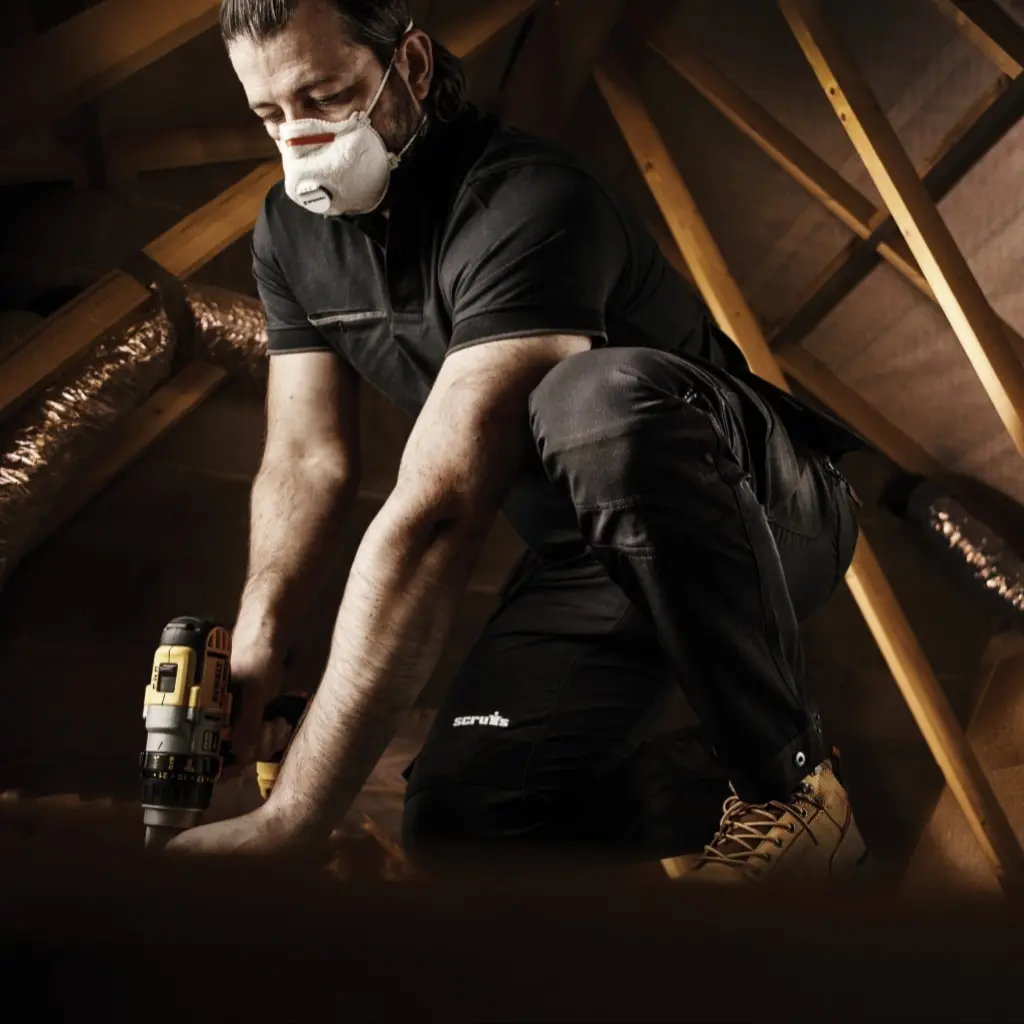
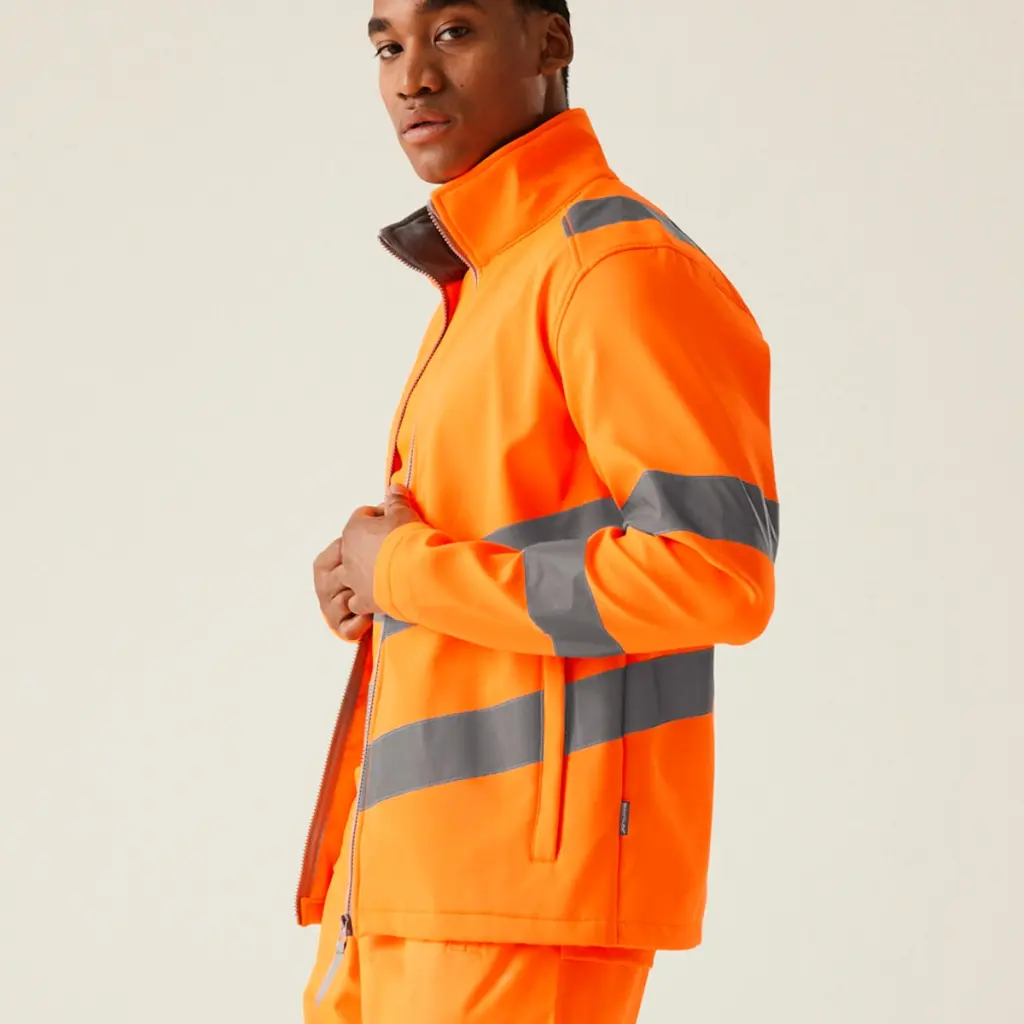
Construction and tradesmen workwear may be tougher to tackle, as PPE garments like Hi-vis jackets can get dirtier and exposed to more stains, but they must be cleaned carefully to ensure that their reflective and protective features are preserved.
Stain Solving
If you work in an industry where you are exposed to grease, oil, ink, or perhaps you are just sweating on the job, you may need to pre-treat the stains on your workwear (before throwing them into the washing machine and hoping for the best!)
The first step is to consider the extremity of the stain at hand. If your workwear has been exposed to heavy oils, hazardous solvents, or blood, it may be best to take these items to a laundry service that is better equipped for industrial stains.
If it is something slightly less dangerous (but by no means less dirty) it is best to separate these items and avoid the possibility of cross-contamination or soiling your other clothes once they are in the washing machine. Dust, sweat, or certain food stains will still require some extra steps to their care routine, but will not be as severe.
So, how do you solve these stains at home?
Patience is key: as you may need to let things soak for a while. Depending on the stain you are tackling, there are different solutions to help you remove them.
Use the stain remover or detergent designed for your particular stain and gently rub it in, letting it sit for 15-20 minutes. Wash by following the directions on the, then read the next section to find out where your workwear wash cycle should go next…
So, How Do You Solve These Stains At Home?
Grease and Oil Stains
Use strong washing detergent or baking soda.
Blood and Ink Stains
Use hydrogen peroxide or rubbing alcohol.
Sweat Stains
Use lemon juice to deodorize and remove dark patches.
Drying
When it comes to completing the cleaning ritual of your work clothing, first you must choose between air drying vs. tumble drying.
It is the old age debate: which is better for the durability of the garment, which is the most convenient and simple option, and which is more energy efficient?
Air Drying Pros:
Gentle on fabrics and is perfect for extending the life of delicate materials
Helps to preserve the vibrancy and colour of print and embroidery branding
Reduces the risk of the garment shrinking and colour fading
Air Drying Cons:
Requires patience and more time for the garments to fully dry
Can be weather-dependent, as the winter proves a lot more difficult to get the drying temperature right
Tumble Drying Pros:
Quick and convenient, especially for drying heavier fabrics like Denim
Modernised tumble dryers have settings for different fabrics to minimise potential damage
Tumble Drying Cons:
Can be harsh on certain materials, leading to faster degradation and shrinkage
High heat can lead to faltering print and embroidery logos
Ironing
Then once your workwear is dry, it’s on to removing the creases and making your uniform look crisp and wrinkle-free.
Different fabrics require specific settings on the iron to avoid damaging them, such as: canvas and denim needing a higher heat setting; polyester shirts being ironed inside out to protect their outer layer; synthetic blends of elastic or spandex needing a lower heat to ensure the material is not altered.
Using a damp cloth over the garment can also add an extra layer of protection, ensuring that the heat is distributed evenly and protects the fabric’s integrity.
Storing
Proper storage is key to prolonging the lifespan of your uniform, and it is the last vital step in the workwear maintenance process.
Folding garments along the seams means that your effort into ironing does not go to waste – whilst reducing the stress placed on the fabric. For heavier items like jackets, hoodies, or coveralls, hanging them on sturdy hangers is the best way to maintain their shape and keep them fresh for wear.
Keep workwear stored in a cool, dry place to protect your gear from collecting dust, or fading due to prolonged exposure to light.
Just like a plant, you must nurture and care for your workwear if you want it to remain alive and well. As detailed in this piece, proper workwear maintenance is vital in ensuring that your uniform doesn’t wilt over time – it maintains its shape and keeps you safe from the elements. If you take the time to look after your workwear, it will do the same for you.