


Sustainable workwear which uses only natural or recycled materials, keeps production at a minimum and reduces water usage and pollution, is the natural next step to reducing your environmental impact.
From vegan hoodies to fleeces made from recycled polyester, My Workwear and our leading brands like Regatta, ØRN, Ecologie by AWDis and Genuine Recycled are leading the way to helping you meet the sustainability targets your customers, the government and your conscience are demanding.
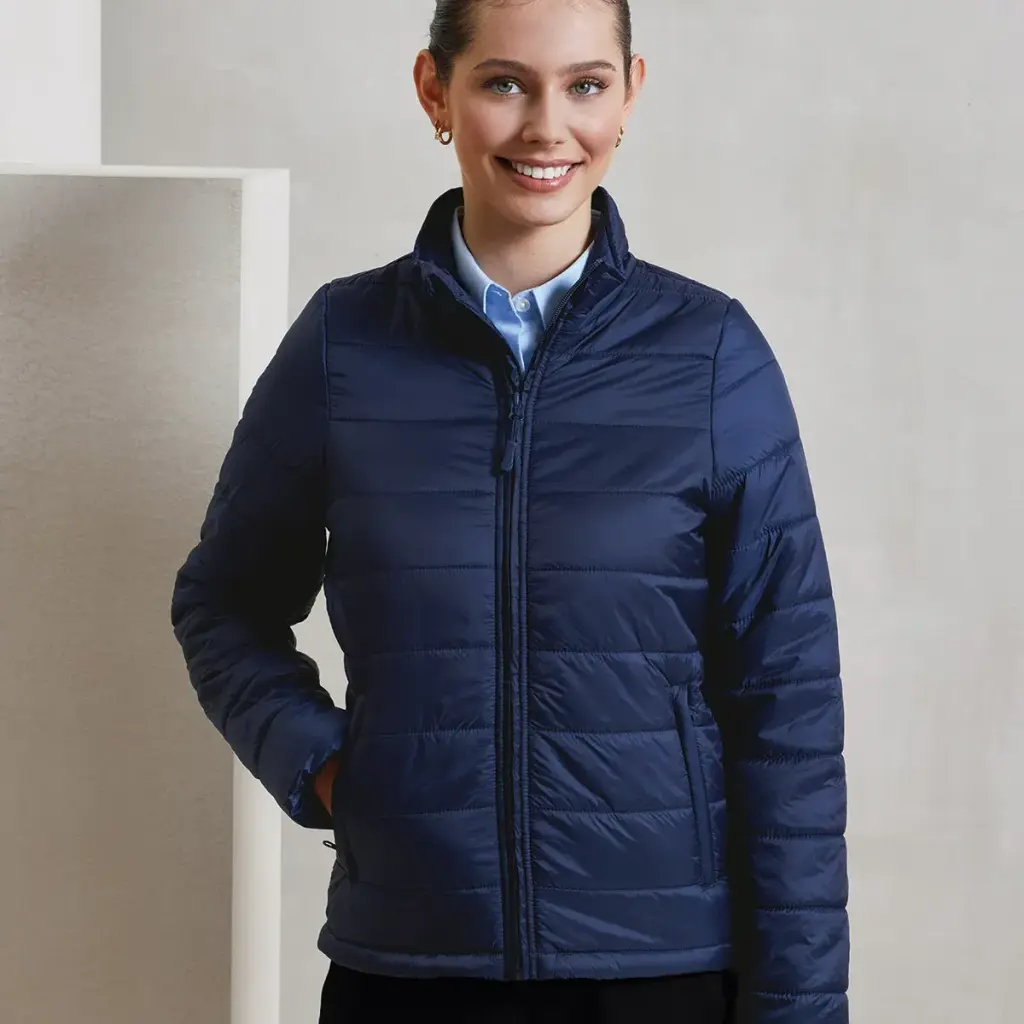
Why Choose Sustainable Workwear?
The textile industry is responsible for up to 10 per cent of global carbon emissions and uses vast quantities of water, energy and chemicals. While fast fashion is the worst culprit, all clothing production contributes to the problem of over-use of resources and excessive waste.
Choosing sustainable workwear sends a message to your customers and staff that you care about sustainability. It will also help you meet any sustainability targets demanded by your customers and play a key role in your corporate social responsibility metrics.
Eco-friendly workwear is also a practical, durable option which will last for many years, reducing the need to constantly replace poorer quality items.
The Benefits Of Eco-Friendly Workwear
Quality Workwear
Printed or embroidered with your branding, projects a professional image of your business
Part Of The Team
Employees feel good about wearing clothing they know is environmentally-conscious, making them feel more connected to your business
Durable Clothing
Built to last, so needs replacing less often
Awareness
Improved customer perception of the business
Corporate Social Responsibility (CSR)
Helps towards your CSR targets
What To Look For When Choosing Sustainable Workwear
Is It Certified?
Look to see whether your workwear has been tested and accredited to recognised eco-friendly standards, such as Fairtrade, the Soil Association, EU Ecolabel, Oeko-Tex, Cradle to Cradle or the Better Cotton Initiative.
Are The Fabrics Sustainable?
Look for organic cottons and linens, recycled man-made fibres like polyester and plastic, or innovative fabrics like Tencel, which is made from wood pulp.
Durable Design
Go for classic designs that won’t date and need replacing, and make sure the garment will do the job you need it to. If you are buying PPE, will it keep your team safe?
Sustainable Manufacturing
Choose brands which work to reduce their environmental impact, such as Fruit of the Loom which uses 75 per cent renewable energy at its factories in Morocco, and ØRN, which aims to make use of every bi-product from manufacturing.
What Are The Options For The End Of Your Garment’s Life
Is there an option to recycle the garment, or is it biodegradable?
Top Brands For Sustainable Workwear
All of our sustainable brands have taken huge steps towards producing more eco-friendly workwear. Regatta, for example, is working with Leeds University to reduce microfibre shedding, while Ecologie is now certified 100 per cent free of animal products by PETA and only uses factories which are certified as at the forefront of ethical and sustainable manufacturing.
At My Workwear we partner with some of the leading brands in sustainable workwear, including:



Sustainable workwear uses either organic, natural ingredients or recycled man-man materials that would otherwise end up in landfill.
Organic fabrics like cotton and linen use less water and fewer or no harmful chemical pesticides compared to their mass-produced equivalents.
Careful planting also reduces the water running off land into watercourses, and no harmful chemicals means less damage to the soil and water supplies. Organic textiles are also often unbleached and use gentler, plant-based dyes.
At the other end of the scale, recycled fabrics made from materials like plastic and polyester help to reduce the environmental impact of our throwaway society, including the estimated 1.3 billion plastic bottles used globally each day.
Manufacturers of sustainable workwear also commit to fair treatment of employees, reduction of waste, and the use of renewable energies where possible in the production process, as well as more sustainable packaging and transport options.
Current Trends In Sustainable Workwear
As technology and innovation progress, the possibilities for environmentally-friendly clothing continue to expand.
New materials
As well as organic natural fabrics and recycled plastics and polyesters, innovative fabrics made from wood pulp, pineapple and mushroom “leather” and even seaweed are coming on stream
Recyclability
With legislation likely to be introduced in the EU to reduce clothing waste, suppliers who trade in the EU are looking to increase and improve biodegradable and recyclable fabrics
Sustainable dyes
With traditional chemical dyes causing huge pollution issues, manufacturers are increasingly looking to use gentler plant based and bacterial dyes
Zero waste production
3D printing offers the opportunity to precisely knit a garment to specification, with no waste products

How Durable Is Sustainable Workwear?
Your corporate clothing needs to work as hard as the people wearing it, so our sustainable range is good quality and hardwearing.
To avoid having to update your workwear too often, choose classic styles and colours that won’t date and consider mix and match separates to change the look without having to buy new.
All workwear is designed to be durable, but attention to quality and kinder manufacturing processes can help extend the life of your sustainable garment, making it an investment that will pay off over the years.
Organic cotton, for example, is usually of a higher quality than mass-produced cotton so will last longer.
How To Look After Your Sustainable Workwear
With a little care, even recycled plastic garments can last for years. Just avoid the intense heat of a tumble drier or iron, and your workwear is ready to wash, dry and wear again.
Natural fabrics, like organic cotton and linen, are super-tough, so however dirty you get, they will cope with a relatively hot wash and iron.
To keep your workwear looking its best, follow these handy tips:
Buy the right size
Ill-fitting workwear is more prone to damage, and might create a hazard if it gets caught on something or causes a trip hazard
Check it regularly
Especially high-visibility vests, flame-retardant coveralls, safety gloves, and work boots and report or repair any damage promptly. Timely repairs can save costs and reduce waste
Consider re-treating
Retreat your water-repellant jackets and trousers every few months, especially if they are regularly washed
Store your workwear properly
Keep clothing in a clean, dry place, and make sure coats and over-trousers are dry before storing to prevent mould forming
Take special care of oil-resistant workwear
Ensuring it remains isolated from potential contaminants.
Store personal protective equipment (PPE) separately
When damp or wet and make sure your workwear isn’t left in direct sunlight or UV exposure which can make fabrics deteriorate
Wash your workwear regularly
To avoid the build up of stains and contaminants which could damage the fabric and shorten the garment’s lifespan
Read the care label on each garment carefully
Keep it clean
Remove loose dirt and debris from waterproof garments with a damp cloth before washing, make sure the pockets are empty of any sharp objects that might cause damage and close zips and Velcro flaps to stop them catching on fabrics during the wash
Get rid of stains
If your workwear is stained with oily substances or contaminants, wash separately from you personal clothing
Choose the right detergents
Use mild, biodegradable detergents specifically designed for industrial clothing and durable jackets.
Try to avoid
Avoid using fabric softeners for flame-resistant clothing, as they can reduce breathability and affect the flame-retardant properties
Why Is Sustainable Workwear More Expensive?
The demand for environmentally-friendly workwear hasn’t yet caught up with more popular ranges. Sustainable clothing also costs more to produce – natural raw materials are less intensively farmed, raw ingredients like dyes are more expensive and recycling plastics is a complex process that requires machinery and trained personnel.
However, the difference in price is not huge and, as demand grows, will reduce over time. In return for your initial outlay, you get stylish, hard-wearing and practical workwear that will last a long time, and the sure knowledge that you have played your part in reducing the environmental damage wreaked on our natural environment.
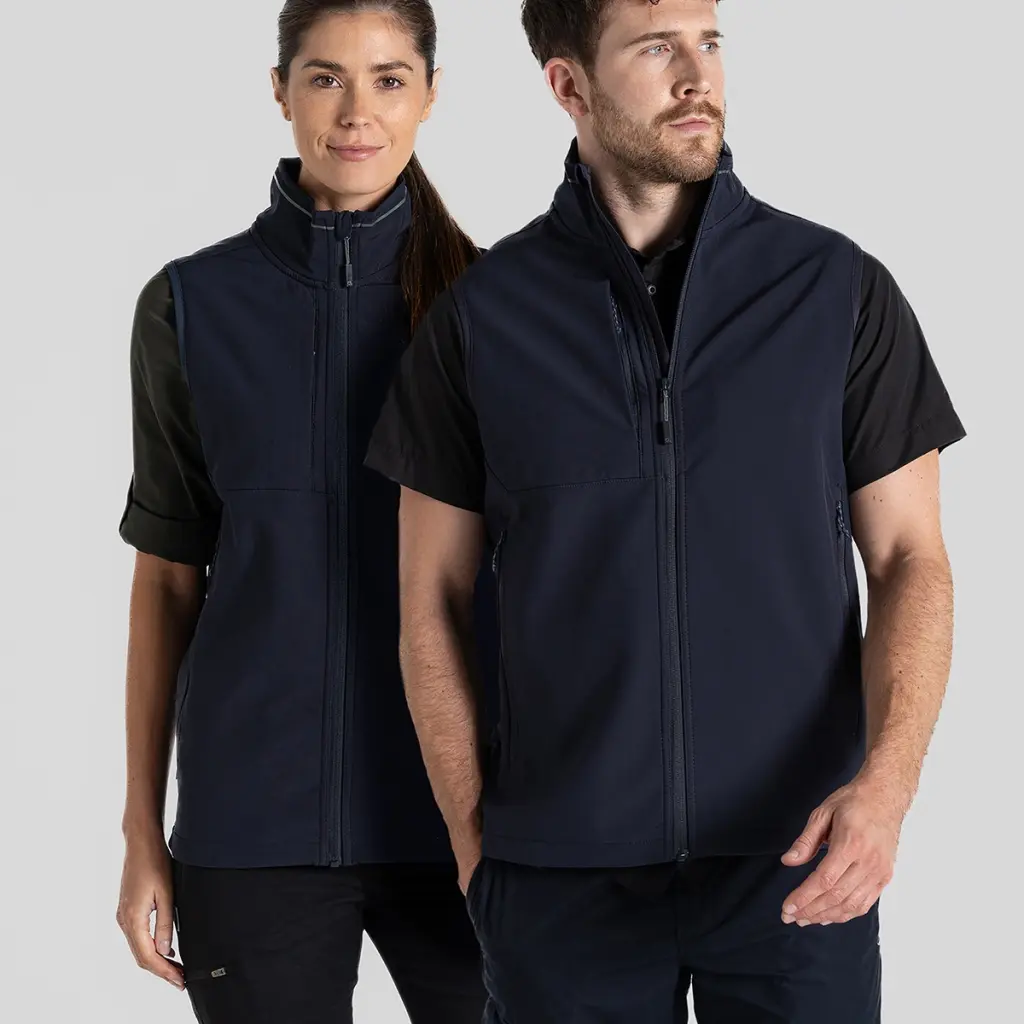
We offer T-shirts, polos, jackets, sweaters and hoodies, fleeces, trousers, gilets, bags and headwear, all printed or embroidered with your logo if you think sustainable workwear is your next step, use the Quick Quote function to find out how we can help.
Ordering is easy, and with our price match guarantee you know you’re getting the best sustainable workwear at the best price.