

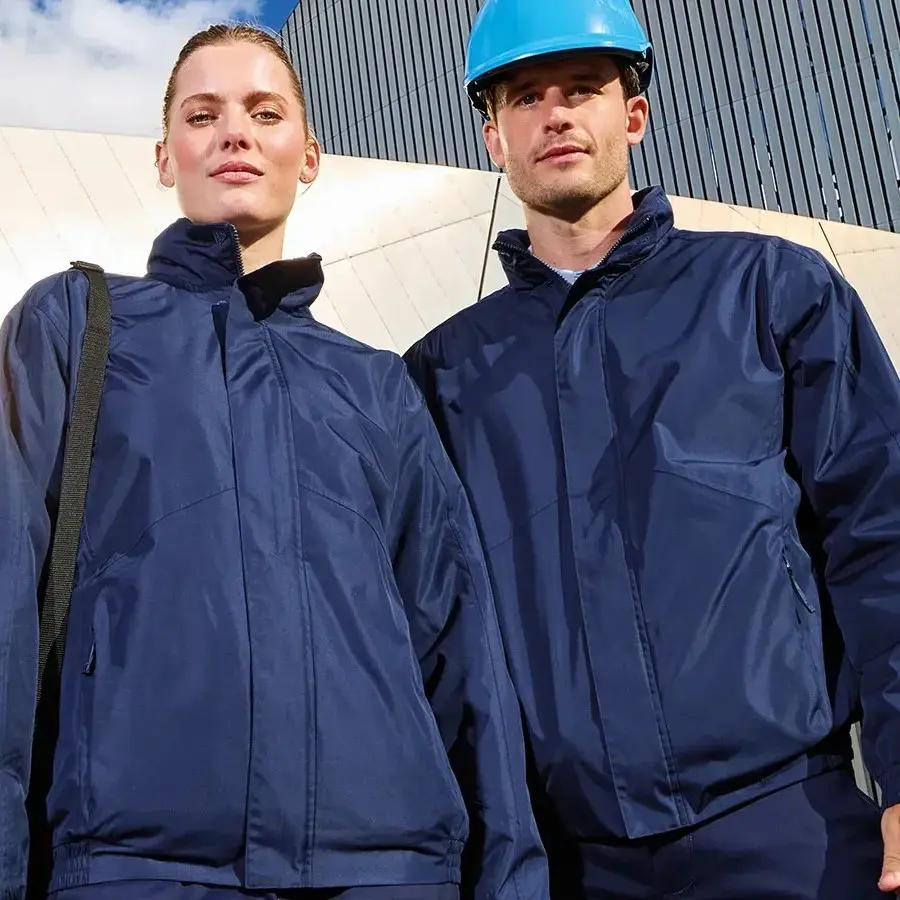
If workers are expected to be outside as part of their job, it is vital to provide them with the best workwear to protect them from the elements. In the UK, more often than not, this means making sure that their workwear is waterproof.
Workers who are wet and uncomfortable won’t perform at their best, morale will suffer and you are likely to have a rapid turnover of staff. You also have responsibilities under health and safety legislation to make sure your team is protected from wet weather as much as possible.
When you’re looking to buy waterproof workwear, remember that employees working outside need more than just a big coat. You also need to think about waterproof trousers and shoes or boots, as well as accessories like hats, gloves and bags.
Modern technology means there is now a huge choice of waterproof workwear to keep your team dry and comfortable, whatever the weather throws at them.
Construction Techniques That Enhance Waterproofing
Beyond the waterproof fabrics themselves, the best waterproof workwear has a number of other features to look for to make sure you get the best performance from your garments.
Taped Seams
To stop water seeping through seams, a waterproof tape is often used to cover the tiny holes made by the needle when seams are stitched. The tape is made from a waterproof substance like polyurethane and heat bonded or glued over the seams.
Waterproof Zippers
Some zippers are now specially designed to stop water seeping into the garment through the teeth.
Sealed Seams
As well as taping over seams, there are other techniques that can be used to stop water getting in. These include heat bonding or welding seams instead of stitching them, or going over a stitched seam with a waterproof sealant to block the needle holes.
Seam Type
Some sewing techniques create seams which leave fewer needle holes exposed, so reducing the chance of water leaking through. Flat double-stitched seams, for example, encase most of the seam inside the garment – this type of seam, especially when finished with waterproof tape or sealant, is also extremely hardwearing.
Breathability Vs Waterproofing: Finding The Balance
Striking a balance between effective protection from the rain and good breathability of the fabric is key to making sure your employees are warm, dry and comfortable when working outdoors.
Look carefully at the activity levels of your employees before choosing your waterproof workwear to make sure you buy garments which will offer the best combination of comfort, protection and breathability.
Fabrics like Gore-Tex, for example, have exceptional waterproofing and durability, but they rely on a build-up of moisture inside the garment before they begin to transfer it out into the atmosphere.
The eVent fabric, on the other hand, allows sweat to pass through it straight away, making it far more breathable. eVent garments are more suitable for intense activity, or where it is vital to avoid overheating.
Where Is Waterproof Workwear Most Needed?
There are numerous industries where waterproof workwear is a must, from oil rigs out in the North Sea to car park attendants at summer festivals.
As well as keeping workers dry, waterproof clothing offers protection against the wind and the risk of hypothermia, as well as offering protection in hazardous environments such as where there is a risk of chemical exposure.
These are just some of the industries where waterproof workwear is a must:

Construction, utilities and maintenance
Anyone involved in building, groundworks and highway maintenance is likely to spend a significant amount of time outdoors exposed to the elements, so waterproof jackets, trousers and boots are essential to allow work to continue. In these areas, waterproof workwear that also offers high visibility is especially important. Even if your team members only visit construction sites occasionally, like surveyors and project managers, it is vital that they have their own well-fitting waterproof workwear.

Agriculture
Farm workers can’t stop for the weather, so they need waterproof, breathable workwear to keep them comfortable during intense activity in wet and muddy conditions.

Events management
For outdoor events to happen, a lot of people have to spend a lot of time working in all weathers. From marquee erectors to car park attendants, stewards and security staff, the team will work most efficiently if they are warm, dry and comfortable.

Emergency services
Police, fire and ambulance personnel often have to work outside in poor weather conditions to help those caught up in an emergency. Their waterproof clothing also needs to offer high visibility to keep them safe.

Fishing
Those working out at sea need waterproof workwear even when it isn’t raining, to protect them from having to work in wet clothes caused by waves and spray. Waterproof workwear is vital in these situations to protect workers who might be out on deck for extended periods from the risk of hypothermia.
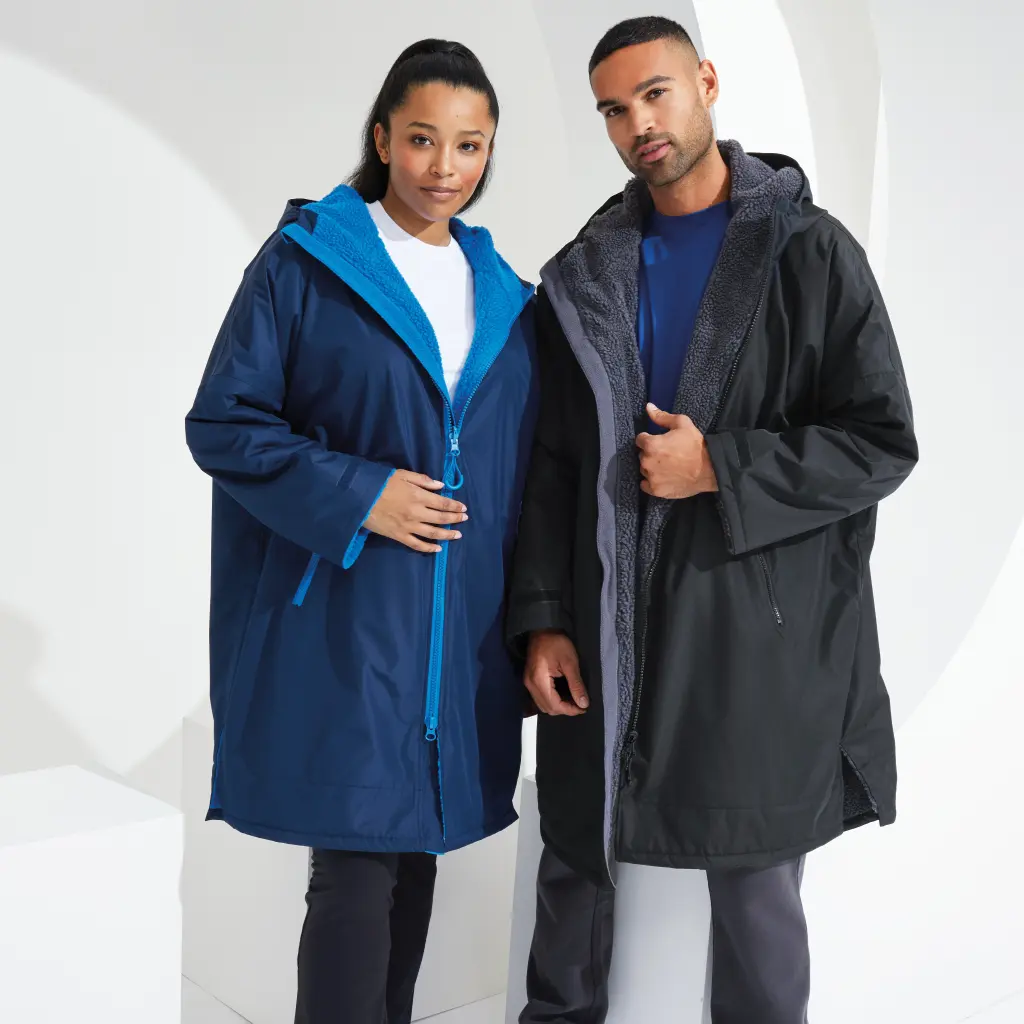
Choosing The Right Waterproof Workwear
Before you invest in waterproof workwear for your team, do a detailed audit of what tasks each team member will be doing and choose your workwear garments based on the best materials, breathability, fit, and durability for the job.
If you are not sure what garments would be the best for your team, our highly experienced team would be delighted to talk you through the options to help you choose the best waterproof workwear for your company.
Your waterproof workwear needs to offer maximum protection and comfort in wet, muddy or hazardous working conditions. Modern multi-layer fabrics like Gore-Tex and eVent offer a great combination of waterproofing and breathability to keep your employees dry, comfortable and safe as they go about their tasks.