

A Historical Journey Through Function and Fashion
From badges in the Middle Ages to embroidered brand logos in the 21st century, workwear has consistently evolved and transformed to suit the needs of its workers. Although the fundamental uses of uniforms – to be protective, practical and fit for purpose – have never really altered, the visual, stylistic and technological elements of workwear, especially embroidered workwear, have progressed alongside the evolution of our society.
Historical Beginnings
Our clothes have always been at the forefront of our personal and social development: They reflect the job roles and lifestyles that we find ourselves immersed in throughout different eras; they act as our outer layer sheltering us against the elements; and, most notably, they make us belong to something bigger.
What once began as a symbol of status and power, and to leverage workmanship, historical workwear paved the way for its place in the modern world.
Returning to the very beginnings of workwear history, we can observe how humans began to utilise natural resources to figure out the craft of clothing. The Roman Empire was the blueprint; their distinct red uniforms were constructed from iron and leather straps, and sheets of silver metal plated their bodies and heads, which would serve to protect themselves from the opposition and create a sense of unity between the men.
The modern worker may no longer need to defend against the enemy, but Hi-Vis vests and hard hats stand in place of personal protection against the odds.
Underneath their armour, linen, cotton and wool were the first to be spun into shirts, trousers and togas, which remain as core fashion staples of their time. Just like a man wearing his suit and blazer today, Roman citizens were seen dressed in their togas to impress at important social occasions and public events.
Evolution Through The Ages
Despite it being mostly the men that we envision modelling these garments, the women of the family were behind the scenes, interlacing the wool into fleece and fabricating the cloth. These women would be clothed in long tunics, much longer than the man’s toga. However, both still held cultural significance by representing their class and social standing through a colour-coordinated system. Some of the togas were even decorated with badges and crests, that were symbolic of their rank and honours. Similar to our version of personalised company logos, humans have always found ways of representing and expressing themselves through accessories on their clothing.
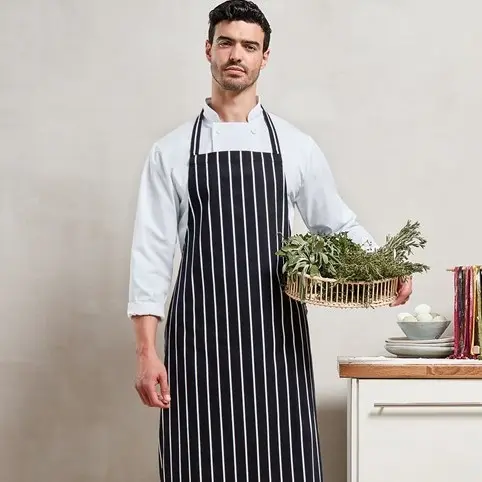
Workwear through the ages has shaped the way we remember certain time periods and associate trades with the clothes that people wore to make that job possible. For example, the traditional chef jacket, paired with its commis white hat, has become customary to the chef’s image.
Coined during the 1800s in France, its design stemmed from the need for practical workwear in the kitchen environment: hygienic, clean, but powerful in appearance. Chef whites are still a conventional piece of workwear, but as time has progressed, revisions have constantly been made to suit the requirements of the modern cook- studs for easy opening, pockets for secure storage, and hard-wearing fabric foundations.
The evolution of workwear is dependent on how the world around it changes.
Industrial Revolution To Modern Times
As the late 18th century ensued, society was drawn away from agricultural roles and catapulted into new, urban job domains. This was where the rise of the working-class man’s reliance on uniforms began. Employers were starting to recognise how crucial safety standards in the workplace were. Consumerism was starting to impact every profession in some way or another.
In a cyclical fashion, the more factories that opened up, the more the manufacturing techniques of clothing altered and became cheaper, and so, the more employees needed the correct workwear to physically maintain the level of mass production that their jobs demanded from them. The discovery and invention of new materials allowed this shift, as durable denim jeans, jackets and overalls became the workwear choice for railroad workers and miners, and comfortable cotton became a widely available source of fabric for factory staff uniforms.
Workwear was slowly adapting away from its existence as a functional tool towards emphasising how being part of a collective workforce meant being proud to wear their uniform.
Post-world-wartime fashion witnessed how much of a significant impact the war had on individuality and independence; the 20th century was home to a trend of revolutions. As the restrictions were lifted from the British army, who were proud to wear their khaki uniform and cargo trousers to represent their country, the release from their duties meant that they could shake free from the utilitarian workwear that had been weighing on their backs and muting their colour palettes.
Optimistic, bright, vibrant tones and patterned shirts overtook the simple, monotone garments that had preceded them. Not only was this a stark symbol of change, but these soldiers also came home to find women fulfilling job roles that they never had before.
Societal roles were evolving, and so modernised workwear styles needed to refocus on being gender inclusive and help bridge the division of workers.
Whilst the comfort, safety and professionalism of men in the workplace was becoming a priority, for a long time, women were still made to wear uniforms that substituted these basic needs to preserve their femininity. The rise of female empowerment during the 1940s coincided with their movement away from domestic roles and towards the increasing freedom to work.
Female factory workers were no longer made to dress in impractical blouses and long skirts- they were now permitted to wear shorter skirts, flared trousers and denim jackets. These looks are iconic in many ways, as they are an emblem of how much has changed for women – through their endless fight for the right to work equally – and are still very much prevalent and influential within modern-day trends.
Modern Workwear Trends And Technology
As fashion and technology have simultaneously captivated our modern world, it is no wonder that workwear has also had to keep up with these developments.
Office wear and typical blue-collar workers’ uniforms have quickly shifted away from being a company policy into the view of the design industry. Clothing brands make statements by incorporating workwear into their new transformative looks, prioritising their minimalistic, relaxed and durable nature.
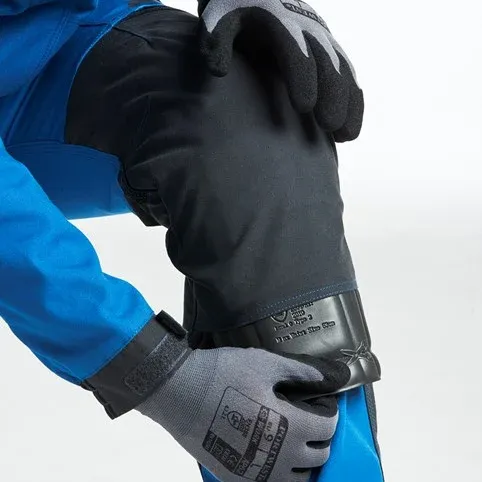
The elements of workwear that were once revered for their practicality, such as knee-pads and having a plethora of pockets on every garment, can now be seen in everyday outfits and are the answer to having nothing to wear (or having no where to store your belongings.)
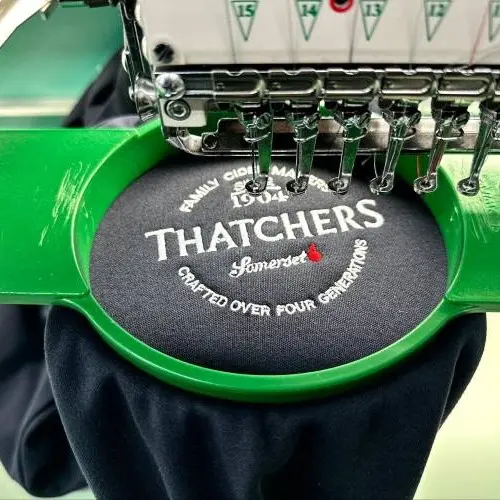
Not to mention how automatic sewing machinery has revolutionised the workwear industry forever, as it is capable of providing high-level branding on multiple garments at once, increasing the effectiveness of the embroidery process and creating more bespoke designs for you and your brand.
There are no bounds when it comes to the evolution of workwear. Being at the forefront of the industry, our team is consistently updating and expanding their wealth of product knowledge to align with the latest trends and predictions of where it could possibly go next.