

Empowering Women In The Workplace: Investigating The Gender Workwear Gap
No matter the industry you work in, there’s no denying that women across the UK continue to face significant barriers when it comes to fair treatment in the workplace. From the slowly narrowing gender pay gap and limited maternity benefits to inadequate support for menopausal health, there’s a lot more businesses could be doing to level the playing field.
For example, in 2023 alone, SimplyHealth surveyed over 2,000 working women aged between 40-60 and found that as many as 23% considered resigning due to a lack of support while going through menopause.
But compounding these issues are far broader problems – such as fewer female-focused resources, especially flexible women’s workwear options – the lack of which is something we here at MyWorkwear often find ourselves discussing with both customers and suppliers alike.
Is There Really A Gender Gap Around Women’s Workwear?
Before we touch on our data findings, it’s worth addressing the question as to whether or not a gender workwear gap actually exists. And to this, we say yes, there most definitely is! And it’s not just limited to areas such as outdoor sectors.
For example, in those industries with a male majority of employees, inquiring about quality women’s workwear simply might not be considered on a daily basis. In other cases, businesses may simply be looking to save on costs by taking a one-size-fits-all approach to their uniforms.
We spoke to one of our customers, Nicki Nye, Senior Warehouse Operative & Coordinator at Phoenix Contact, who points out that:
“Unisex workwear is definitely more biased toward a masculine fit, and while there are options for women, they’re not very flattering and they’re often ill-fitting. It’s much more comfortable carrying out your duties if your workwear fits better, especially if you’re wearing a uniform on a daily basis.”
Furthermore, Beth Botterill, Marketing Manager at DMA, added to this, by telling us:
“There does appear to be a gender gap in the workwear space, both historically and in the present. Traditionally, workwear—especially uniforms in fields like facilities management, construction, or maintenance—has been designed with a male audience in mind. This often results in poorly fitting or uncomfortable options for women, who might end up wearing clothing not tailored to their body shape or specific needs.”
Beth has also spoken with many female colleagues who’ve had to wear unisex uniforms, rather than workwear tailored to their gender:
“I know that women have often experienced discomfort with uniforms, both in the past and present, due to designs that cater predominantly to men’s needs. Uniforms are frequently based on male body shapes, leading to awkward fits for women, particularly in areas like the shoulders, waist, and hips. Limited adjustability—such as non-customisable waistbands or lengths—can make uniforms either too tight or excessively loose, affecting both comfort and movement.”
In other words, there’s clearly a set of recurring problems here that need addressing.
Which Are The Least Inclusive Industries For Women?
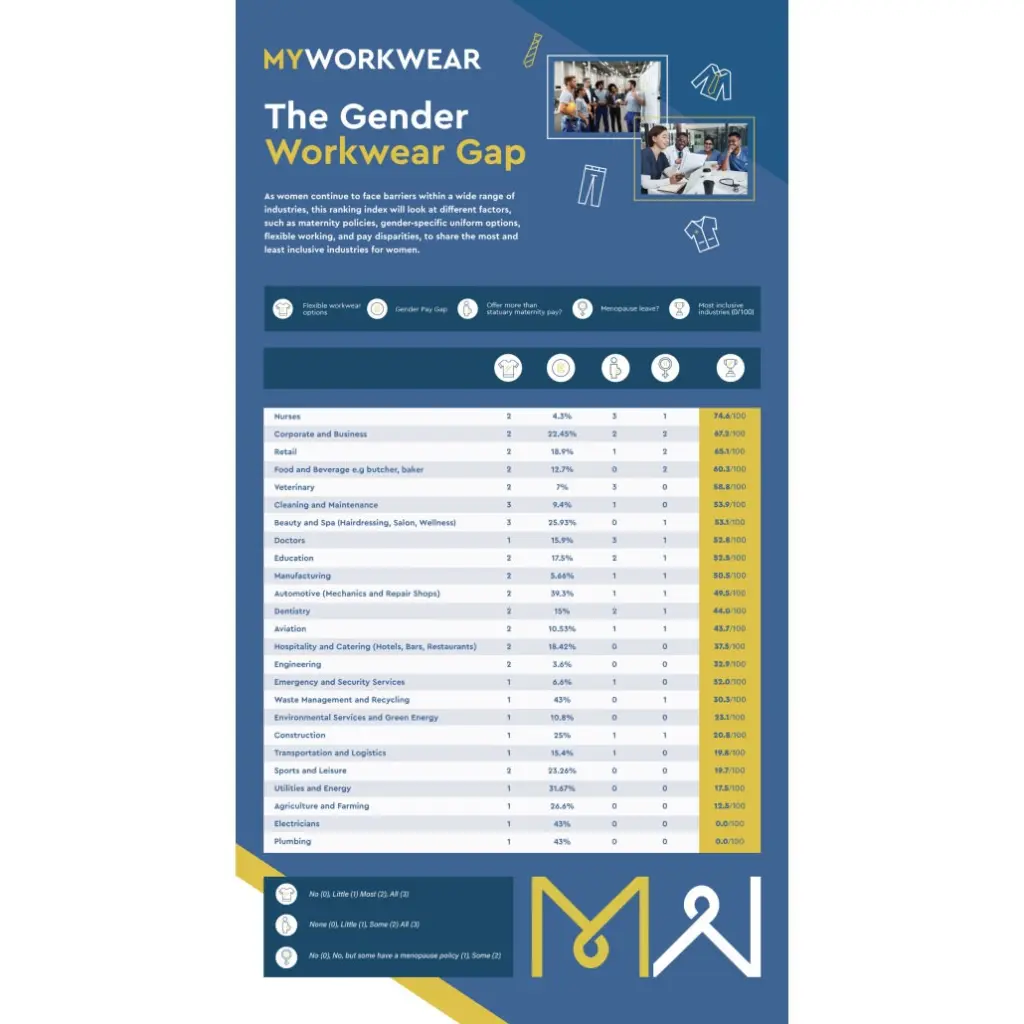
Despite some progress being made in recent years toward true gender equality in the workplace, certain industries still seem to fall short in supporting women’s unique workplace needs, with the electrical and plumbing industries unfortunately placing last in our data.
Scoring the lowest inclusivity score of 0 out of 100, these two sectors appear to be the least inclusive when it comes to female employees, which could potentially be due to their history as male-dominated professions.
Following on from this, we then had the agriculture sector in third, which scored 12.5 overall, before turning our attention to the utilities and energy industry, which only managed an inclusivity score of 17.5.
Finally, the fifth lowest industry we examined was, perhaps a little surprisingly, the sports and leisure world, which only achieved a total of 19.6 out of 100 for inclusivity, despite its reputation for having high levels of female employees.
Why Did These Industries Score So Low For Gender Inclusivity?
While we can point to general gender inequality in traditionally male-dominated professions as the main reason for low inclusivity in these sectors, at the end of the day, it really seems to come down to a lack of equal maternity pay, menopause leave, and flexible workwear.
Out of all five of our lowest-scoring industries, not one of them scored above a 1 in these areas, (excluding sports and leisure which scored 2 out of 3 for women’s workwear), with many scoring 0 overall!
Combine that with a consistent trend of higher rates of gender pay inequality than many of our higher-scoring industries and there was little chance of these sectors placing any higher.
How Can Different Industries Bridge The Gender Workwear Gap?
While data from our study does show that plenty of sectors are moving towards greater equality in the workplace, flexible workwear options continue to be a sticking point in many industries.
So, what can businesses, industries and sectors be doing to address such workwear inequality in the workplace? Well as our data suggests, it’s all about embracing change and actively moving towards a more equitable working environment.
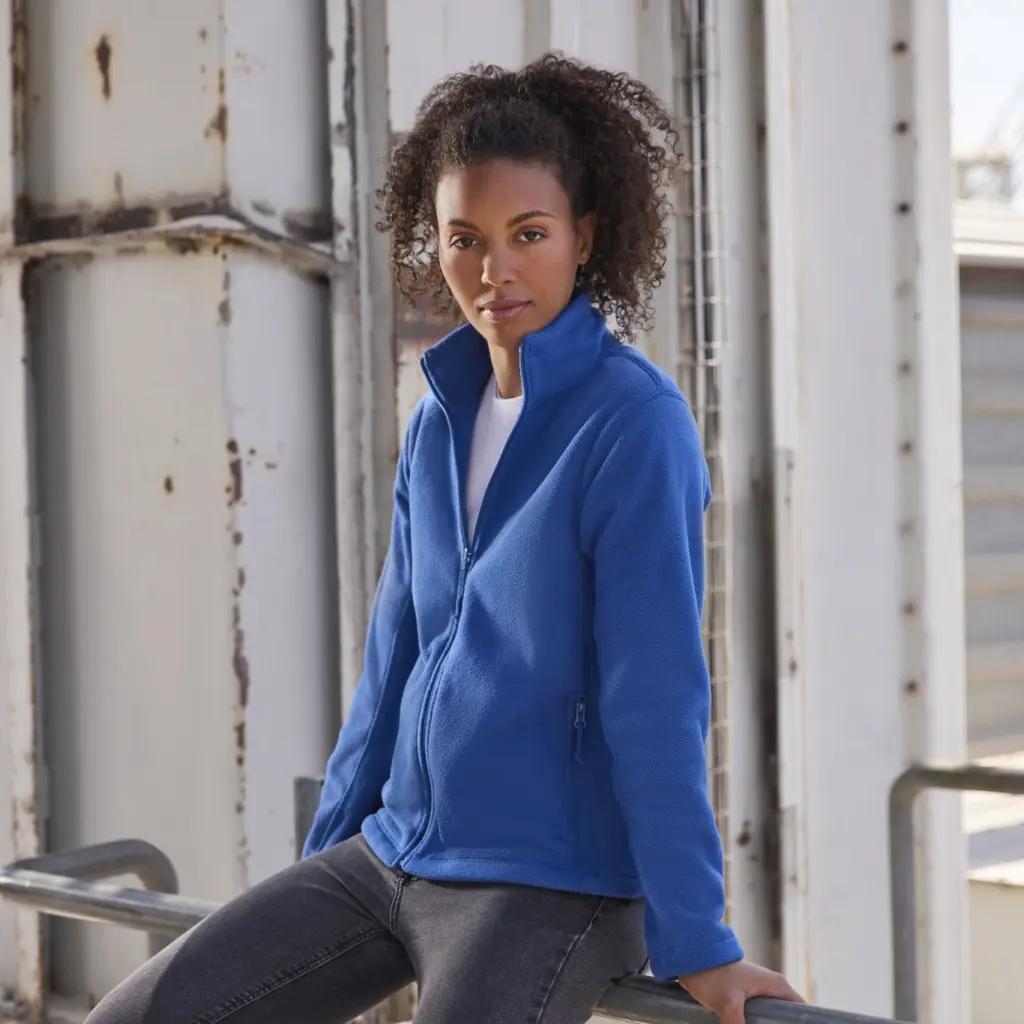
Invest In Female-Friendly Workwear With Our Range
So, there you have it, those are the industries we found to be the least and most inclusive when it comes to gender inequality, and while our data did show that certain, and traditionally male-dominated industries, have a long way to go, it’s refreshing to see many other high-profile sectors making good progress in addressing gender workplace differences.
However, none of this is to say that you can’t start investing in gender-equal workwear today – far from it!
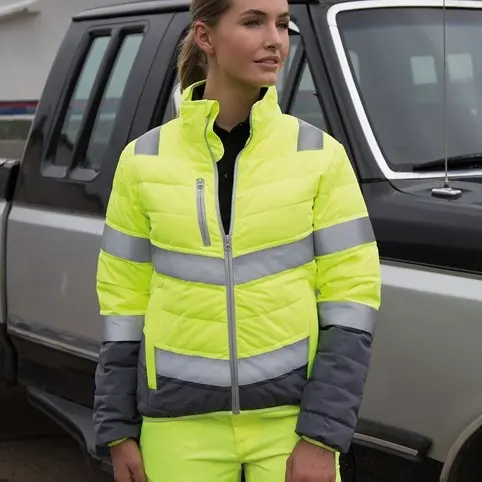
While women’s workwear options are scarce in comparison to men’s and unisex garments, we do have a variety of options including high-quality trousers, high-visibility clothing and workwear jackets.
Better yet, if you want more direct advice on the types of women’s workwear we offer, and for personal recommendations based on your sector, then please get in touch with our expert team today for more insights at 01952 585881 or sales@myworkwear.co.uk.
Methodology
This index was based on four different factors from 25 industries, which were collated via desk research, and taken from authoritative sources. The four factors used to create the ranking include:
Gender pay gap
Enhanced maternity pay
Menopause leave
Inclusive/flexible workwear options
Where data was not available, which was in very few cases, we marked it with a value of 0. These values were then indexed and weighted evenly, and then ranked accordingly. If you are interested in the full list of data sources, please reach out.
All data was correct as of November 2024.